About
Dhruv Sangari, also known as Bilal Chishty, born in 1981, is an Indian Sufi and classical vocalist, composer, lyricist and teacher, popularly called the Prince of Qawwali. He trained in Hindustani classical music from the age of seven and later learned qawwali from Ustad Meraj Ahmed Nizami of the Qawwal-Bachhe gharana at the dargah of Nizamuddin Auliya, and met and learned from the legendary Ustad Nusrat Fateh Ali Khan. He was formally inducted into the Chishti Sufi order at Ajmer.
Sangari has sung and composed the mystic verse of poets and saints including Amir Khusrau, Rumi, Bulleh Shah, Kabir, Baba Farid and Bedil, leading ensembles such as Rooh Sufi Ensemble and Humble Mystic. He has featured on Coke Studio and given voice to film scores, and is a founding member of the UNESCO-cited organisation Ektara India, which archives and disseminates Sufi and Bhakti culture. Empanelled with the ICCR, he performs at Sufi shrines and at Indian and international festivals.
The artistry
Sangari sings qawwali and Sufi kalaam with a classically trained voice and a scholar's command of the poetry, moving between traditional shrine qawwali and contemporary Sufi-ensemble arrangements. He performs the verse of the great mystic poets in Urdu, Persian, Punjabi and Braj.
Repertoire
Performance
Publications & productions
Career & milestones
Festivals & appearances
Lineage & training
Affiliations
Gallery
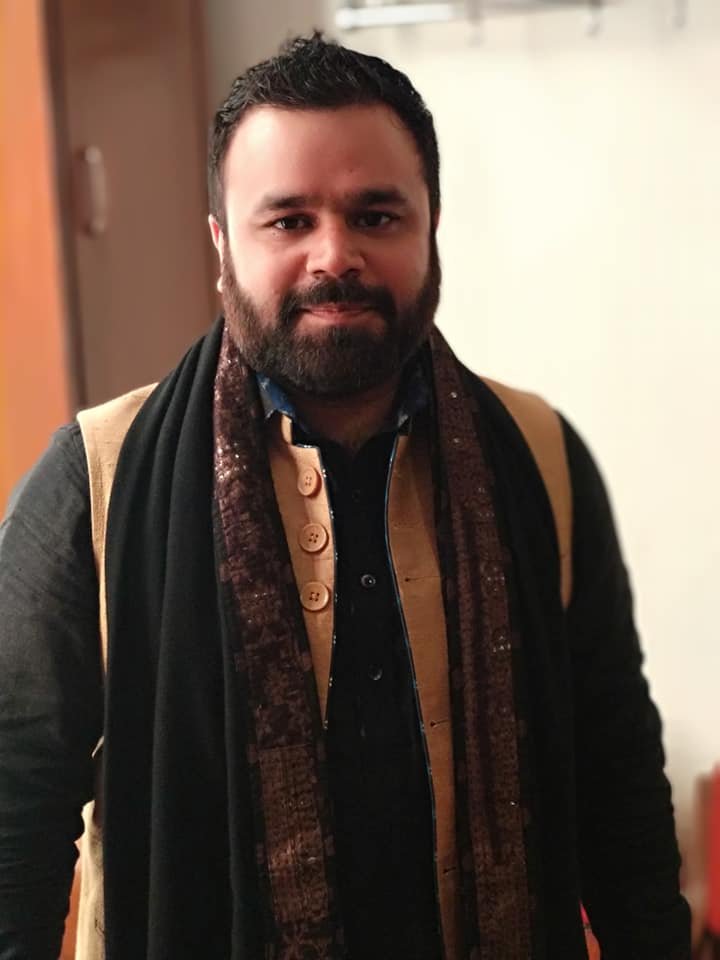

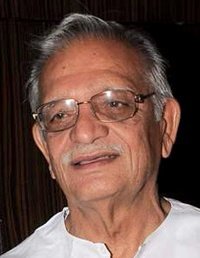

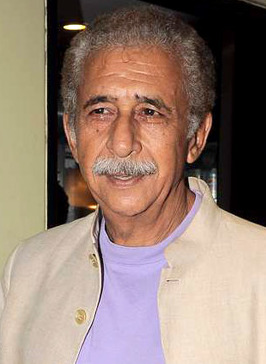

Dhruv Sangari connects on the Culture Atlas graph to Delhi as his primary base and to the Hindustani classical music ecosystem from which his compositional language draws. His work represents the contemporary crossover strand that connects the classical artform profiles to the contemporary music economy.
Dhruv Sangari's work illustrates the ongoing dialogue between India's classical music tradition and contemporary creative production. His compositions demonstrate that the Hindustani classical vocabulary remains a living source for new creative work rather than a static archive.