About
Naseeruddin Shah, born 20 July 1950 in Barabanki, Uttar Pradesh, is one of India's most respected actors and a defining voice of its theatre. Trained at the National School of Drama and the FTII, he co-founded the Motley theatre group in 1977 with Tom Alter and Benjamin Gilani, staging its first production, Beckett's Waiting for Godot, at Prithvi Theatre in 1979. Alongside a landmark career in parallel cinema he has kept the stage at the centre of his work as actor and director.
Through Motley, Shah has directed and performed a distinctive repertoire, including his acclaimed Ismat Chughtai cycle (Ismat Apa Ke Naam), Manto Ismat Hazir Hain, and Arbuzov's Old World with Ratna Pathak Shah, which continues to tour. On screen his parallel-cinema work (Nishant, Sparsh, Aakrosh, Ardh Satya, Masoom, Jaane Bhi Do Yaaro) and later films (Iqbal, A Wednesday, Maqbool, Monsoon Wedding) are widely honoured. He published his memoir And Then One Day in 2014.
The artistry
Shah works in a spare, text-first register on stage, drawing on Urdu literature and modern European drama alike. As actor and director with Motley he favours language and performance over spectacle, and is known for dramatized literary readings that bring Manto, Ismat Chughtai and others to a live audience.
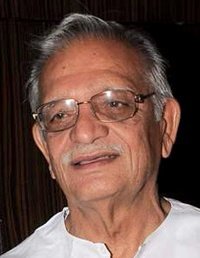


Shah is a theatre artist first, and that is how he is most valuable to a cultural programmer: a Motley production or a dramatized Urdu-literature reading anchors a festival or institution evening with unmatched pedigree. His screen fame is the draw; his stagecraft is the substance. [Atlas Assessment]
Naseeruddin Shah is a mentor and standard-bearer for serious Indian theatre and parallel cinema, whose Motley theatre group, founded in 1977, has staged literary and modern drama for decades and shaped generations of actors. A Padma Shri and Padma Bhushan awardee, he brought rare intelligence and restraint to the New Indian Cinema of the 1970s and 80s and to the stage, championing text, craft and integrity over stardom. His influence as actor, director and teacher makes him one of the defining figures of post-independence Indian performance.