The Story Evolution Programme Scores Audience Intelligence Sponsorship Tourism Media Gallery Visit Ecosystem Sustainability
← All Festivals
✓ Atlas Verified Festival ★ Tier S Literature & Ideas Language Revival Institution World's Largest Urdu Festival

Jashn-e-Rekhta

The world's largest celebration of the Urdu language, literature and culture — a three-day annual gathering in Delhi that has turned a once-marginalised language into a living, performed, mass cultural movement.

New Delhi, India 100K+ attended
Founded
2015
Frequency
Annual
Edition
11th edition
Next Edition
29–31 Jan 2027
Duration
3 Days
Claim this profile
◆  Atlas Commentary

Jashn-e-Rekhta is one of the most consequential cultural interventions in contemporary India - a festival that single-handedly reframed the public life of a language. When the Rekhta Foundation staged the first edition at the India International Centre in 2015, Urdu in India occupied a peculiar position: revered in song and cinema, yet increasingly cut off from its own script and a generation of readers who could no longer access it.

Culture Atlas Editorial ◈ Atlas Tier S Benchmark Updated 2026-08-18
●  Live — Culture Pulse
Festival Dates: 29 Jan 2027 Venue: Baansera Park (2027 edition; venue varies by year) Ticket Status: Paid Applications / Registration: Yes Theme: Urdu Language Revival|Ganga-Jamuni Tehzeeb|Poetry & Verse|Syncretic Culture|Inter-generational Transmission Status: Active
Last verified 2026-07-20
01

Scores

Atlas Team
National importance: High Global importance: Medium Regional importance: High
Scored across 8 dimensions by the Culture Atlas research team · last reviewed 2026-06-07. How is this scored? →
02

The Story

Organizer

Jashn-e-Rekhta began, fittingly, not with a stage but with a website. In 2013, the industrialist Sanjiv Saraf — chairman of Polyplex Corporation and a late, passionate convert to Urdu poetry — launched Rekhta.org, an online portal to digitise and democratise Urdu literature. Much of the canon was locked away in a script that millions could no longer read; Rekhta put it online in Urdu, Devanagari and Roman scripts so that anyone could reach it.

But the team soon recognised the limits of the page. Urdu, as Saraf put it, is a language that lives across art forms — qawwali, dastangoi, mushaira, ghazal, theatre — and reading alone could never convey its full experience. In 2015, the Foundation staged the first Jashn-e-Rekhta at the India International Centre in Delhi: a modest gathering blending poetry, music, theatre and literary conversation.

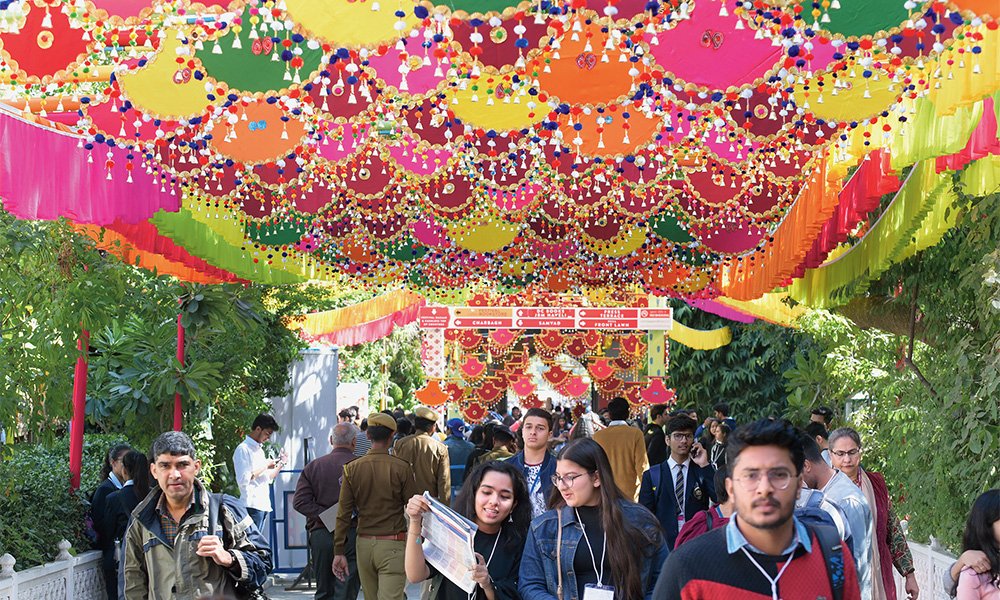
It grew quickly, and dramatically. From the intimate confines of the IIC, the festival moved to ever-larger venues to accommodate swelling crowds — the Jawaharlal Nehru Stadium, the Major Dhyan Chand National Stadium — before its landmark tenth edition in December 2025 at Baansera Park on the Yamuna riverfront. Across three days, more than 300 artists performed over 35 sessions on five stages, drawing roughly 150,000 visitors.

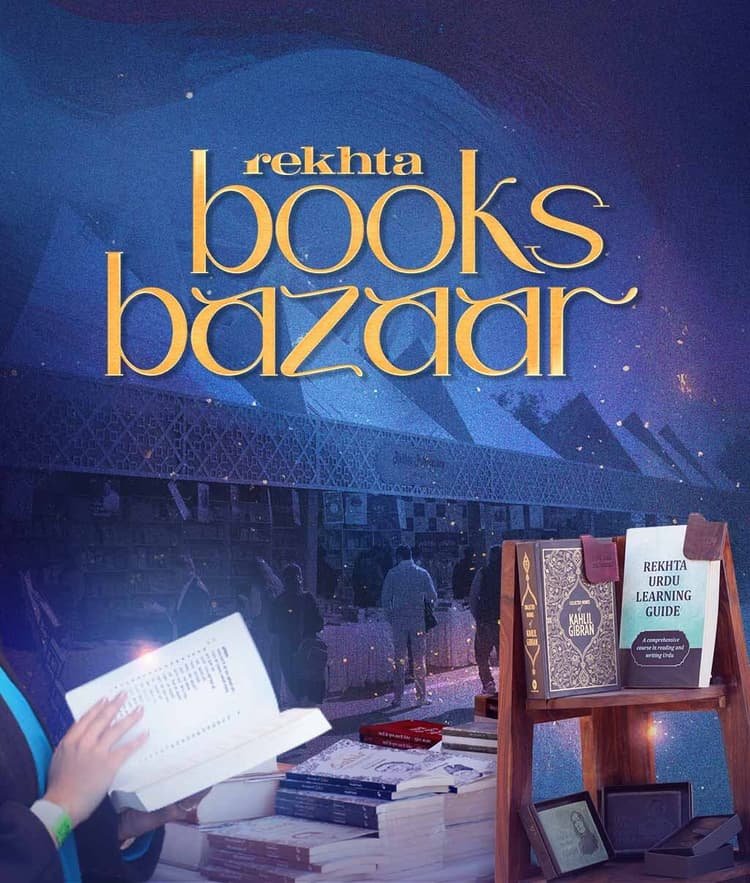
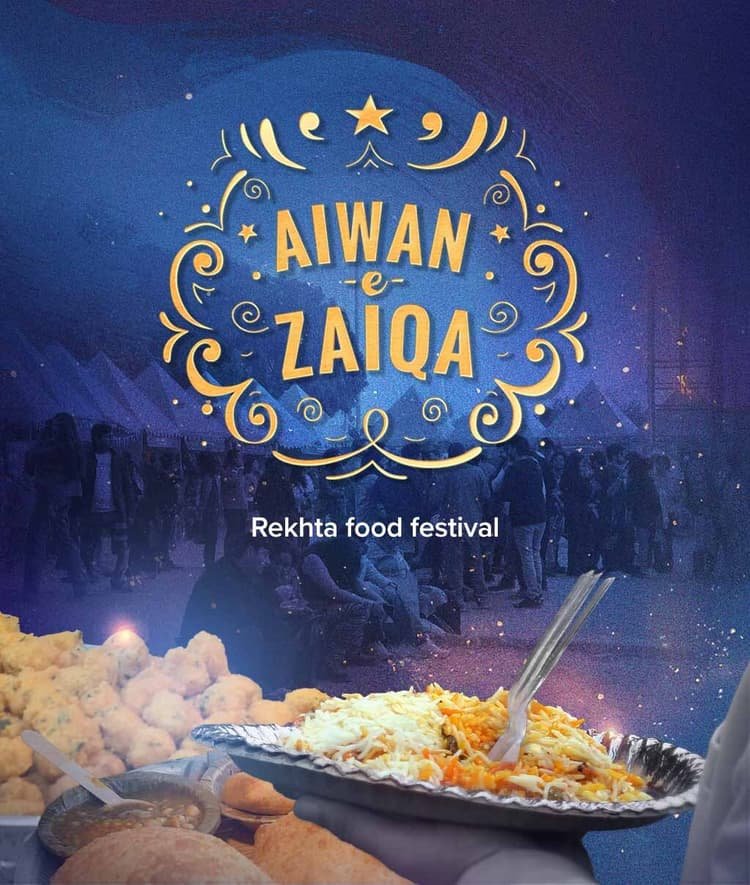
The programming philosophy has remained constant from the first edition: high-quality Urdu content presented in an entertaining, popular register. The festival has featured a remarkable roll-call of talent — Gulzar, Javed Akhtar, Wasim Barelvi, the late Rahat Indori, Kailash Kher, Papon, the Sabri Brothers, Ustad Shujaat Khan — alongside scholars, dastango performers and emerging poets. Beyond the stages, the festival has become a full cultural ecosystem: the Rekhta Books Bazar, the Aiwan-e-Zaiqa food courts celebrating subcontinental cuisine, calligraphy and craft pavilions, and an evening Light & Sound show.

The Foundation has also taken the festival abroad, staging Jashn-e-Rekhta Dubai to reach the global Urdu diaspora. A decade on, what began as one man's passion for the verse of Ghalib has become one of India's largest cultural gatherings — and the doorway through which an entire generation has discovered a language once thought distant or not for them.

Cultural Significance

Jashn-e-Rekhta's cultural significance lies in a single, hard-to-overstate achievement: it has made Urdu popular again, at scale, among audiences with no inherited connection to the language. Urdu's institutional decline in post-Partition India left it increasingly disconnected from everyday literacy, even as its idiom survived in film songs and ghazals. The festival reversed the drift of public perception, recasting Urdu from a language of nostalgia into a language of the present.

It does so by anchoring itself in the idea of Ganga-Jamuni tehzeeb — the syncretic Indo-Islamic cultural synthesis of northern India. By foregrounding Urdu as a shared inheritance of Hindu and Muslim poets alike, the language of both Ghalib and Hindi cinema, the festival actively resists the framing of Urdu as foreign or exclusively Muslim. In a period of sharpening communal and linguistic politics, this positioning gives the festival a civic weight that exceeds its literary remit.

The festival's most striking demographic feature — its overwhelmingly young audience — is also its most significant. Jashn-e-Rekhta has demonstrably introduced Urdu poetry to a generation that encountered it first not in classrooms but at a mushaira on a winter evening in Delhi.

Why It Matters Today

In an era of cultural polarisation and language politics, Jashn-e-Rekhta matters because it offers a model of cultural revival that is inclusive rather than defensive. It treats Urdu not as a besieged minority possession to be protected, but as a living, shared, joyful inheritance to be celebrated openly. Its scale - hundreds of thousands of attendees, millions online - proves that there is vast, latent public appetite for the syncretic cultural traditions the festival represents. [Atlas Assessment]

Contribution To Culture

Jashn-e-Rekhta has contributed a replicable template for language revival through experience rather than instruction, and has built - through the parallel Rekhta digital library of roughly 200,000 digitised books - one of the world's most significant repositories of Urdu literary heritage. Together, the festival and the platform constitute the most ambitious Urdu preservation and promotion project of the digital era. [Atlas Assessment]
04

Evolution

Organizer
2015
The Beginning
The inaugural Jashn-e-Rekhta is held at the India International Centre, Delhi - a modest gathering blending poetry, music, theatre and literary conversation, born out of the Rekhta.org digital archive launched in 2013.
2016–2018
Rapid Growth
Surging attendance forces relocations to far larger venues including the Jawaharlal Nehru Stadium. The festival establishes its signature multi-stage format and its blend of literary depth with popular performance.
2019
National Phenomenon
Jashn-e-Rekhta becomes one of India's largest cultural gatherings, drawing crowds in the hundreds of thousands and a roster of major poets, musicians and film personalities.
2020–2021
Pandemic Pivot
Like festivals worldwide, Jashn-e-Rekhta adapts to COVID-19 with digital and reduced-format editions, leaning on the Rekhta Foundation's strong online infrastructure. [Atlas Assessment]
2022–2024
Global Expansion
The festival launches Jashn-e-Rekhta Dubai to reach the international Urdu diaspora, cementing its claim as the world's largest Urdu festival.
2025
A Decade of Urdu
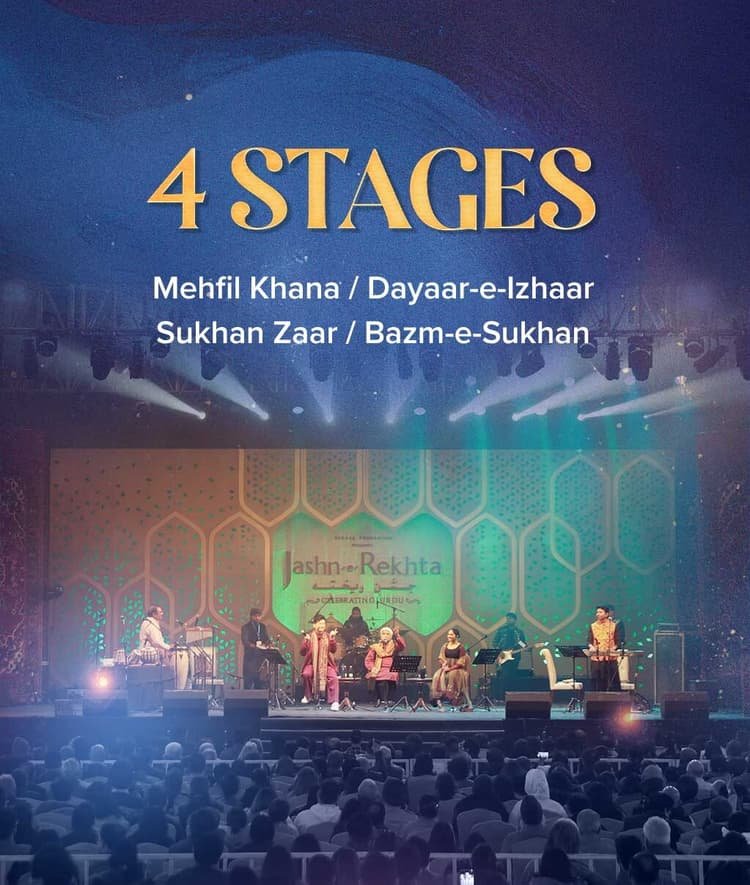
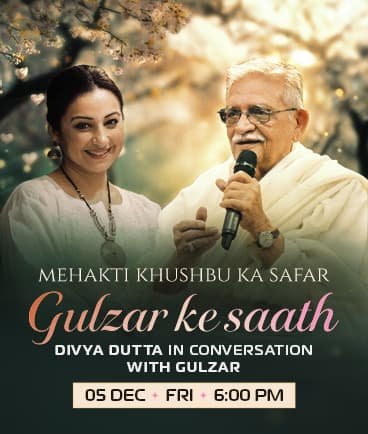
The landmark 10th edition is staged at Baansera Park on the Yamuna riverfront (Dec 5–7), with 300+ artists across five stages - Mehfil Khana, Dayaar-e-Izhar, Sukhan Zaar, Bazm-e-Khayal and Aiwan-e-Zaiqa - drawing roughly 150,000 visitors and inaugurated by Gulzar and Javed Akhtar.
Defining Moments
A Festival Born from an Archive: Uniquely, Jashn
e-Rekhta grew out of a digital library (Rekhta.org, 2013) rather than the reverse - technology preceding and enabling the live cultural movement.
Outgrowing Stadiums: The festival's relocation to the Jawaharlal Nehru
The Decade Edition at Baansera: The 10th edition in 2025, opened by Gu
Crossing Borders to Dubai: The launch of Jashn
e-Rekhta Dubai extended the movement to the global diaspora, internationalising the celebration of Urdu.
05

Atlas Perspective

Atlas Team
◆  Atlas Intelligence
In an era of cultural polarisation and language politics, Jashn-e-Rekhta matters because it offers a model of cultural revival that is inclusive rather than defensive. It treats Urdu not as a besieged minority possession to be protected, but as a living, shared, joyful inheritance to be celebrated openly. Its scale - hundreds of thousands of attendees, millions online - proves that there is vast, latent public appetite for the syncretic cultural traditions the festival represents. [Atlas Assessment]
06

Programme

Organizer
Programming Pillars
Mushaira (Poetry)Qawwali & Sufi MusicDastangoi (Storytelling)GhazalTheatre & DramaLiterary Conversations
Signature Experiences
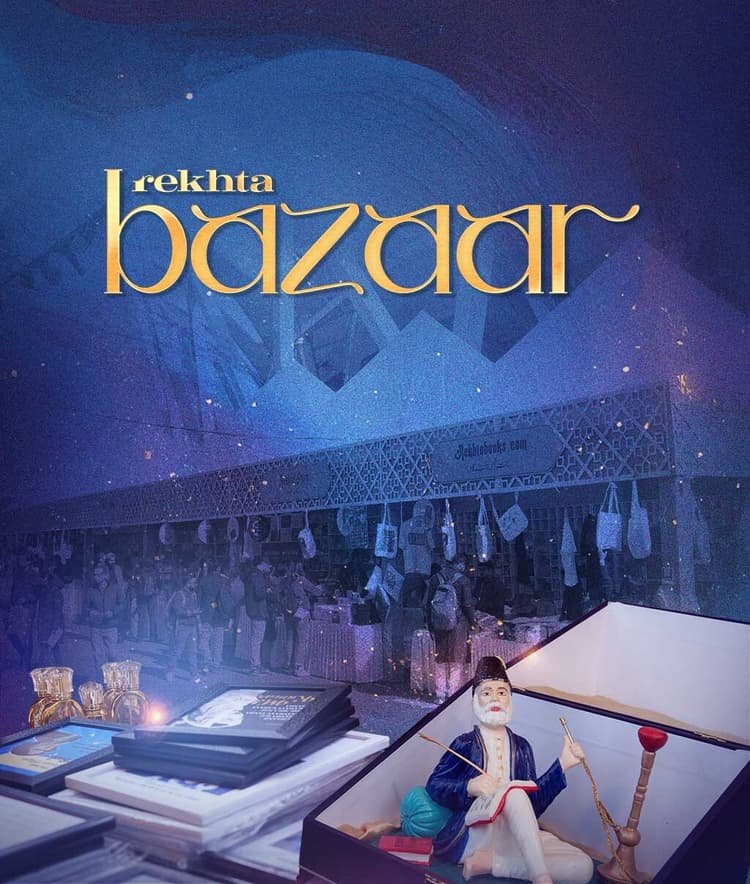
Rekhta MushairaLight & Sound Show on the YamunaRekhta Books BazarAiwan-e-Zaiqa Food CourtsRekhta Bazaar (crafts)Calligraphy Pavilion
Festival Components & IPs
Poetry RecitationsMusical ConcertsTheatrePanel DiscussionsMasterclassesBook LaunchesFood FestivalCraft Bazaar
Formats
Live PerformanceMushairaConversationWorkshopExhibition
Key Themes
Urdu Language RevivalGanga-Jamuni TehzeebPoetry & VerseSyncretic CultureInter-generational Transmission
Cultural DNA
UrduPoetryMushairaQawwaliDastangoiGhazalLiteratureHindustani Culture
Ecosystem Role
Anchor institution of the global Urdu cultural revival movement
07

Audience Intelligence

Organizer
100K+ (2025 edition)
Attendance
Growing
Trend
Urdu enthusiasts, students, poetry lovers, families, diaspora, cultural tourists
Audience Type
Medium
HNI Presence
9.0/10
Quality Score
45%
First-Time Visitors
[Atlas Estimate] Millions via Rekhta YouTube & social channels
Digital Audience
High
Creator Presence
High
Influencer Presence
Audience Geography
Pan-India with significant international diaspora presence
Visitor Origin
Delhi NCR, pan-India, Pakistan & Gulf diaspora
Domestic
9.6
International
0.4
Students
4.5
Families
3.5
Age Distribution
18–24
30%
25–34
32%
35–49
23%
50+
15%
Income Distribution
< ₹5L
35%
₹5–15L
33%
₹15–50L
24%
₹50L+
8%
Audience Analysis

Jashn-e-Rekhta commands one of the most distinctive audience profiles of any literary festival in the world: large in absolute scale, strikingly young, and emotionally invested in a way uncommon for language-focused events. The 2025 edition drew roughly 150,000 visitors across three days - figures that place it well beyond the reach of conventional literary festivals and into the territory of major mass cultural gatherings.

The defining characteristic is youth. A substantial share of attendees are students and young adults under 35 - a remarkable fact for a festival centred on a language often presumed to appeal mainly to older generations. This generational skew is the festival's single most important strategic asset: it represents the successful transmission of Urdu appreciation to audiences who did not inherit it.

09

Tourism Intelligence

Shared · Verified
High
Tourism Impact
8.7/10
Cultural Tourism
[Atlas Estimate] Significant - hospitality, F&B and retail uplift in Delhi during the December cultural season
Economic Impact
Tourism Analysis

Jashn-e-Rekhta is a significant driver of cultural tourism within Delhi's busy December cultural calendar, though it functions primarily as a destination-anchored event rather than a stand-alone travel motivator. Its location in the national capital - exceptionally well-connected by air, rail and metro - means most attendees are domestic and regional, with an international diaspora component travelling specifically for the festival.

The 2025 riverside setting at Baansera Park, accessible directly from the Sarai Kale Khan metro station, integrated the festival into Delhi's broader heritage and tourism circuit, within easy reach of Humayun's Tomb, Nizamuddin and the wider Mughal heritage zone. This positions the festival naturally within a multi-day cultural itinerary of the capital.

In the Press

More coverage on Google News →
10

Media Intelligence

Atlas Team
High
Media Visibility
Extensive national coverage (PTI, major dailies, news channels)
TV Coverage
High
Digital Reach
[Data Not Publicly Available]…
Media Partners
Media Analysis

Jashn-e-Rekhta enjoys consistently high media visibility, treated by India's national press as a marquee event of the Delhi winter cultural season. Coverage spans the major news agencies (notably PTI), leading English and Urdu-language dailies, and television news, with founder Sanjiv Saraf and the festival's celebrity participants - Gulzar, Javed Akhtar and others - reliably generating editorial interest.

The festival's digital footprint is its true media strength. The parent Rekhta platform operates one of the largest Urdu content channels online, and festival sessions, mushairas and performances accumulate very large viewership well beyond the live audience. International coverage, particularly through BBC Urdu and diaspora and Gulf media, extends the festival's reach across the global Urdu-speaking world. [Atlas Assessment]

11

Visit

Organizer
Baansera Park (2027 edition; venue varies by year)
Venue
New Delhi, Delhi
Location
January · 3 Days
When
Paid · ₹599 (single day)–[Atlas Estimate] ₹1,500–2,500 (multi-day / premium passes)
Entry
No
Live Streaming
Yes
Registration
Address
Baansera Park, Block A, Ganga Vihar, Sarai Kale Khan, New Delhi, Delhi 110013
Get Directions →
How To Get There
The 2027 venue, Baansera Park, is roughly 200–300 metres from Sarai Kale Khan Metro Station, within easy walking distance. A shuttle service and paid parking are available near Nizamuddin. The venue is exceptionally well-connected by metro, rail and road. Note that the festival venue has changed across editions (previously JLN Stadium and Major Dhyan Chand National Stadium) - always confirm the current year's venue on the official website.
Nearest Transport
Airport: Indira Gandhi International Airport (IGI), Delhi · Railway: Hazrat Nizamuddin Railway Station
Best Time To Visit
During the festival in early December; carry light woollens for the evening sessions
Weather
Cold winter weather (December); cool days, cold evenings
Travel Advisory
No special advisory. Standard urban-event precautions apply.
Facilities
Food CourtsBooks BazarCraft BazaarParkingRestroomsSeatingWheelchair AccessFirst Aid
Amenities
Food AvailableParkingFamily FriendlyPublic Transport Access
Nearby Attractions
Humayun's TombHazrat Nizamuddin DargahSunder NurseryIndia GatePurana Qila
Nearby Restaurants
Aiwan-e-Zaiqa (on-site food courts)Nizamuddin food quarterPandara Road restaurants
12

Ecosystem

Atlas Team
Cultural Influence
Global anchor of the Urdu language revival movement
Comparable Festivals Related Festivals
Jashn-e-Rekhta DubaiShaam-e-Rekhta
Partner Institutions
Rekhta FoundationDelhi Development AuthorityRekhta.orgJashn-e-Rekhta DubaiGlobal Urdu diaspora networks
Type Festival
Atlas Verified Yes
Last Updated 2026-08-18
Connected Discoveries

Connected Discoveries

Continue your journey through India's cultural landscape.