The Story
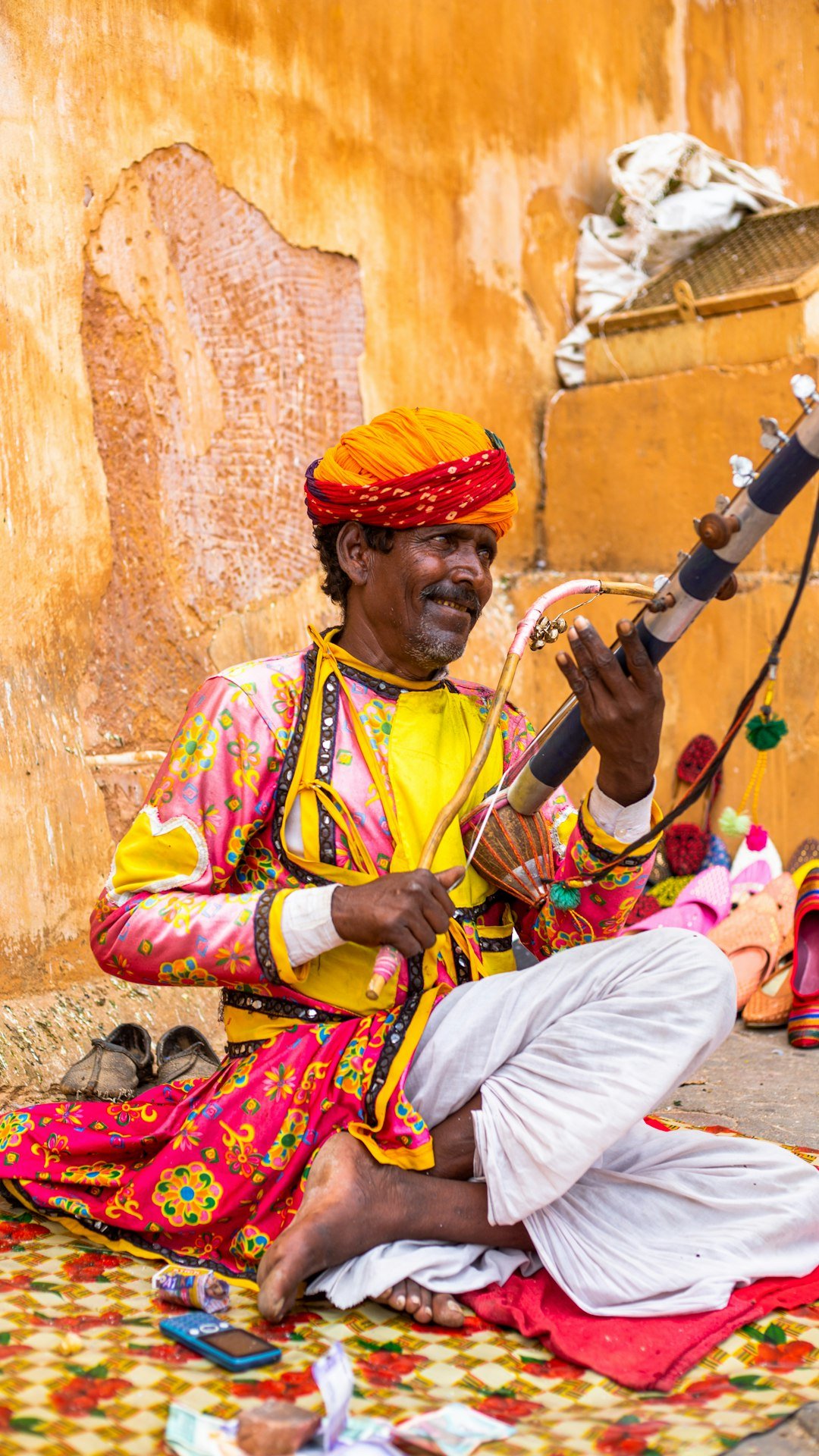
OrganizerThe Rajasthan International Folk Festival (universally known as Jodhpur RIFF) was first staged on 25 October 2007 as a not-for-profit partnership between two of India's leading cultural bodies: the Mehrangarh Museum Trust, custodian of the great fort and museum of Marwar-Jodhpur, and the Jaipur Virasat Foundation. It was conceived under the patronage of HH Maharaja Gaj Singh II of Marwar-Jodhpur, who remains its chief patron, with the musician Sir Mick Jagger as its international patron. The festival's setting is inseparable from its identity. It unfolds in and around Mehrangarh Fort, the fifteenth-century citadel that looms 400 feet above Jodhpur, and is deliberately timed to coincide with Sharad Purnima, the brightest full moon night of the year in northern India. Across roughly five days, the fort's courtyards, ramparts and surrounding spaces (Rao Jodha Desert Rock Park, Jaswant Thada and others) host a continuous flow of music: intimate dawn concerts, daytime interactive sessions, headline evening performances and late-night club sessions that stretch toward sunrise. At its heart, RIFF is a roots-music festival with a purpose. Its founding aim was to provide a platform to Rajasthan's traditional but often overlooked hereditary musicians (communities such as the Manganiars and Langas) and to strengthen their livelihoods, while placing their music in dialogue with folk, indigenous, jazz, reggae, classical and world musicians from across the globe. Over the years it has presented more than 900 artists and ensembles from over 30 countries to audiences totalling several hundred thousand, mixing legendary names with young talent and engineering one-off cross-cultural collaborations that exist nowhere else. It has been supported by UNESCO as a 'People's Platform for Creativity and Sustainable Development' and named by Songlines magazine among the best international festivals. Today Jodhpur RIFF stands as India's premier international roots-music festival, a celebration that is both unforgettable to experience and meaningful in its impact on a living tradition.
Jodhpur RIFF's cultural significance lies in its role as India's foremost international roots-music festival and as an active instrument of cultural preservation. Founded to revitalise the endangered folk-music traditions of Rajasthan (particularly those of hereditary musician communities such as the Manganiars and Langas) it has given these artists a prominent national and international platform and worked to improve their livelihoods, directly supporting the survival of a living tradition. Beyond preservation, RIFF has created a globally significant space for cross-cultural musical exchange, placing Rajasthani folk in dialogue with world, jazz, classical and indigenous music from dozens of countries and generating unique collaborations. Its staging within Mehrangarh Fort, timed to Sharad Purnima, also links the festival to Rajasthan's tangible heritage and the rhythms of the traditional calendar. Its UNESCO recognition and international acclaim affirm its standing as a model of heritage-led, community-rooted festival-making.
RIFF matters as one of India's most artistically credible and ethically grounded festivals - a model of how a festival can be both world-class to attend and genuinely consequential for the culture it serves. It sustains and elevates Rajasthan's endangered folk-music traditions and the musicians who carry them, builds bridges between Indian roots music and the world, and demonstrates heritage-led, sustainable festival-making recognised by UNESCO. For audiences, it offers a singular encounter with living folk traditions in an unmatched setting.
RIFF has revitalised and globally platformed Rajasthan's folk-music traditions and the livelihoods of hereditary musicians; created a leading space for cross-cultural musical collaboration; linked living music to the heritage of Mehrangarh Fort and the traditional calendar; and modelled community-rooted, sustainable festival-making recognised by UNESCO and international music media.