The Story
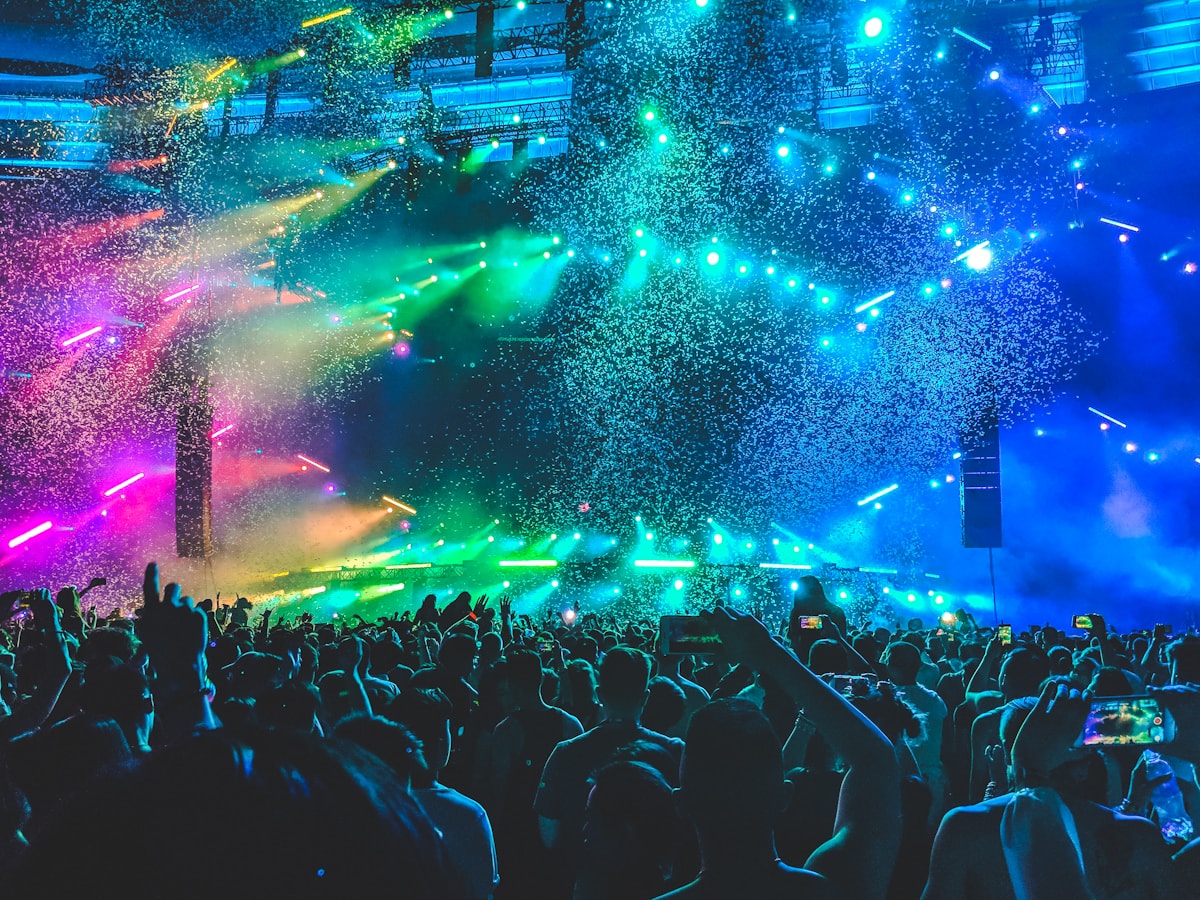
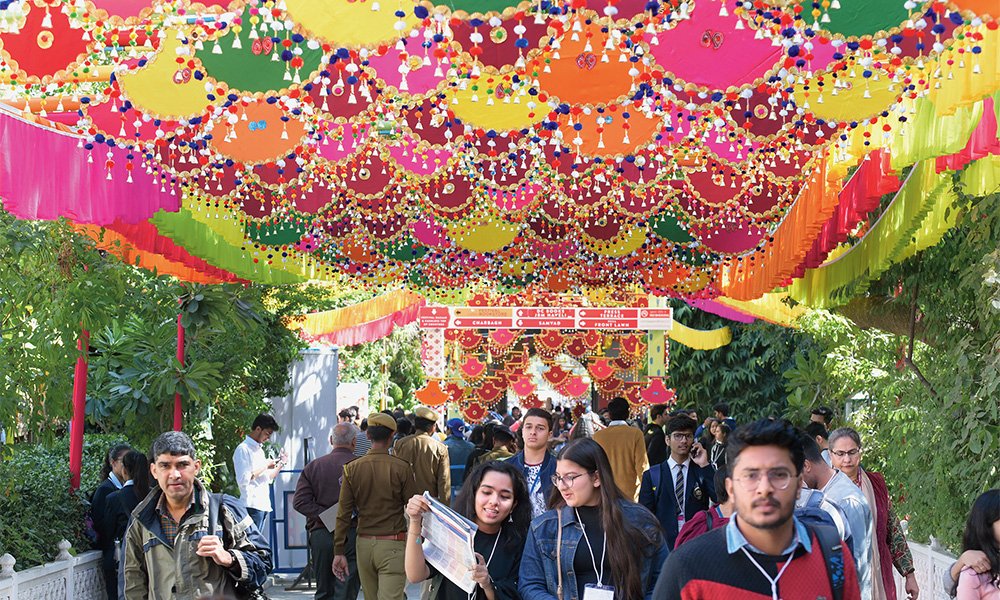
OrganizerMagnetic Fields was founded in 2013 by Abhimanyu Alsisar in partnership with the music-and-culture platform Wild City and the creative collective THOT, with Kunal Lodhia and Smita Singh Rathore among its key figures. Its masterstroke was its venue: Alsisar Mahal, a 17th-century palace in the Shekhawati region of Rajasthan, transformed each December into an intimate festival of contemporary music, art and design. Against the backdrop of desert and palace architecture, the festival staged electronic and alternative music across multiple stages, with attendees camping in the dunes or booking fast-selling rooms inside the palace itself. Over a decade Magnetic Fields built a reputation as India's premier boutique festival, 'contemporary, future-facing, forward-thinking', in its own words. Its lineups paired international underground and electronic artists such as Four Tet, Bicep, DJ Koze, Daphni, Khruangbin and Maribou State with leading Indian acts like Peter Cat Recording Co. and, each year, performances by local Rajasthani folk musicians, weaving ancient and contemporary India together. Art installations, wellness programming, late-night dancefloors and a strong design sensibility distinguished it from the country's larger, more commercial festivals. In 2025 the festival announced a turning point. After ten editions at Alsisar (and, organisers indicated, having outgrown the palace as its popularity drew larger, less curatorial crowds) Magnetic Fields bid farewell to its longtime home in a statement titled 'A Love Letter to Alsisar'. In its place, the team announced 'Magnetic Fields Nomads', a reimagined, more intentional experience scheduled for 13-15 February 2026 at a new location in Khetri, Rajasthan. The flagship festival as it existed at Alsisar has thus ended, even as the Magnetic Fields ethos continues into a new, evolving chapter.
Magnetic Fields' cultural significance lies in establishing the boutique, curated, design-led festival as a viable and influential form in India. In a landscape dominated by large commercial events, it proved that an intimate, atmosphere-and-curation-driven festival could build a devoted national following, and it set a benchmark for programming, design and experience that influenced the wider Indian festival scene. It has been a leading platform for contemporary electronic, alternative and underground music (both international and Indian) and a notable example of fusing global contemporary culture with local heritage, through its palace setting and its inclusion of Rajasthani folk musicians. Its decade at Alsisar Mahal also pioneered the heritage-venue music festival in India, and its current transition to a nomadic format reflects the evolving dynamics of the country's festival ecosystem.
Magnetic Fields matters as the festival that legitimised the boutique, curated festival in India and set its creative benchmark. Its current transition - leaving its iconic palace home to become 'Magnetic Fields Nomads' - makes it a live case study in how beloved festivals evolve when success and scale strain their original identity and venue. It remains a key reference point for curation, design and experience in Indian festival culture.
Magnetic Fields established the boutique, design-led festival form in India; built a leading platform for contemporary electronic and underground music; pioneered the heritage-palace music festival; and modelled the fusion of global contemporary culture with local Rajasthani heritage - setting a creative benchmark for the country's festival scene.