About
To document, research, preserve and promote the folk traditions, oral literature, music and cultural practices of Rajasthan, with particular attention to the hereditary musician communities whose traditions are at risk of being lost.
Folk music documentation and research institution in Jodhpur, founded by folklorist Komal Kothari in 1960. Holds the most significant archive of Rajasthani folk music documentation; responsible for the international recognition of the Manganiyar and Langa musician communities.
Rupayan Sansthan was established in 1960 by two close friends: Komal Kothari, a folklorist from Rajasthan who would spend his life documenting its traditions, and Vijaydan Detha, a writer who would become one of the most celebrated authors in Rajasthani literature. The institution's founding was driven by Kothari's recognition that Rajasthan's extraordinary wealth of folk music, oral poetry and performing traditions was rapidly disappearing as the patronage systems that had sustained them collapsed. The institution began systematic field recording of traditional musicians across Rajasthan, accumulating what became one of the largest archives of Rajasthani folk music documentation in existence. Kothari's most significant specific contribution was his sustained engagement with the Manganiyar and Langa hereditary musician communities of western Rajasthan. He documented their repertoires, brought them to urban Indian and international audiences, facilitated their first international tours and advocated for their cultural recognition at a time when they were invisible outside their own communities. His efforts were recognised with the Padma Bhushan in 2004. Rupayan Sansthan continues to operate as a documentation and research institution, maintaining Kothari's archive and continuing research into Rajasthani folk traditions. The Arna-Jharna Desert Museum established adjacent to the institution's campus is a community museum for the folk traditions and material culture of the region.
Founding & Leadership
Initiatives & Portfolio
Decades of field recordings of Rajasthani folk traditions including Manganiyar, Langa, Bhopa, Nayak, Kalbelia and dozens of other community music traditions. One of the largest collections of Rajasthani folk music documentation.
Komal Kothari's sustained advocacy for the Manganiyar and Langa hereditary musician communities, including facilitation of their first urban performances, international tours and academic documentation.
A community museum near Jodhpur for the folk traditions and material culture of Rajasthan, established adjacent to Rupayan Sansthan's campus.
Academic publications on Rajasthani folk traditions, oral literature and community music practices, including Komal Kothari's foundational studies.



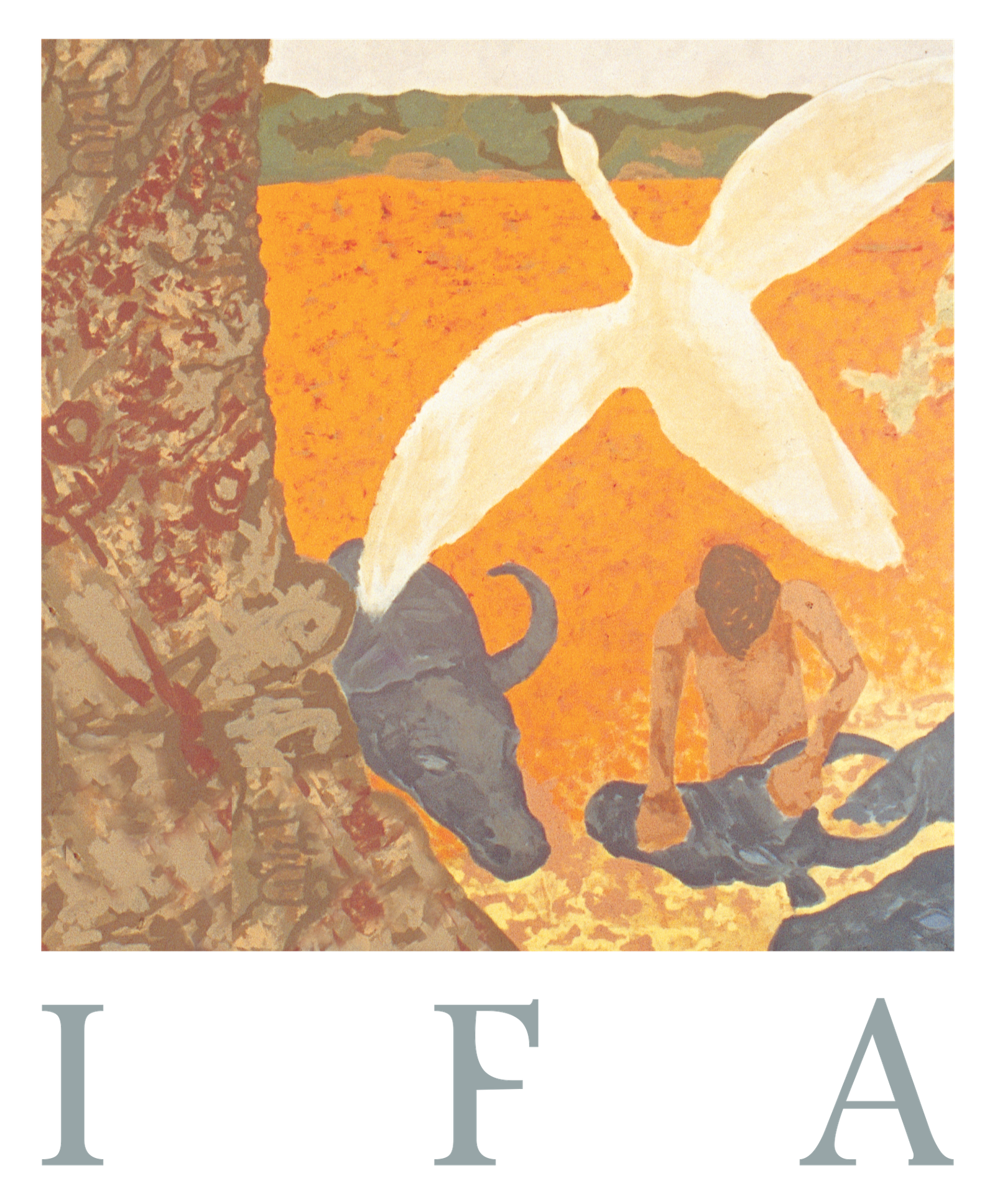
Without Rupayan Sansthan and Komal Kothari's decades of field documentation and advocacy, the Manganiyar and Langa musician communities would likely remain unknown outside their own communities. Kothari's work created the institutional record that allows their tradition to be studied, performed internationally and recognised as one of Rajasthan's most significant cultural contributions. The institution's archive is also the primary documentary record of dozens of other Rajasthani folk traditions, making it an irreplaceable resource for Indian ethnomusicology.
Rupayan Sansthan connects directly to the Manganiyar & Langa artform profile as the institution most responsible for its documentation and international recognition. It connects to the Jodhpur destination profile (based_in) and to the Jodhpur RIFF festival (which carries on Komal Kothari's legacy of presenting these traditions to wider audiences). After import, graph edges should connect Rupayan Sansthan to the Manganiyar & Langa artform profile (supports and documents_tradition relations), to the Jodhpur destination profile (based_in), and to the Jodhpur RIFF festival.