About
Mahmood Farooqui is the writer, performer and director who revived dastangoi, the Urdu art of oral storytelling. He staged the first modern performance in 2005 with his uncle, the critic Shamsur Rahman Faruqi. A historian by training and a Rhodes Scholar at Oxford and Cambridge, he has performed hundreds of shows in India and abroad and has trained roughly fifty dastangos, which makes him the hub of the form's contemporary lineage.
Farooqui reconstructed dastangoi from classical texts such as the Dastan-e-Amir Hamza, reviving its dual-narrator structure, rhythmic prose and poetic flourishes. Beyond the classical cycle he authored new dastans on subjects that range from the Mahabharata and Rajasthani folktales to modern civil-liberties themes. His non-fiction book Besieged: Voices from Delhi 1857 won the Ram Nath Goenka Award.
The artistry
Farooqui performs dastangoi in its spare, classical shape: narrators, a takht and the voice, carried on Urdu's rhythmic prose. He moves between the inherited Amir Hamza cycle and dastans he has written himself, using the form to open contentious and contemporary subjects to a live audience.
Repertoire
Performance
Publications & productions
Career & milestones
Festivals & appearances
Lineage & training
Recognition
Affiliations
Gallery

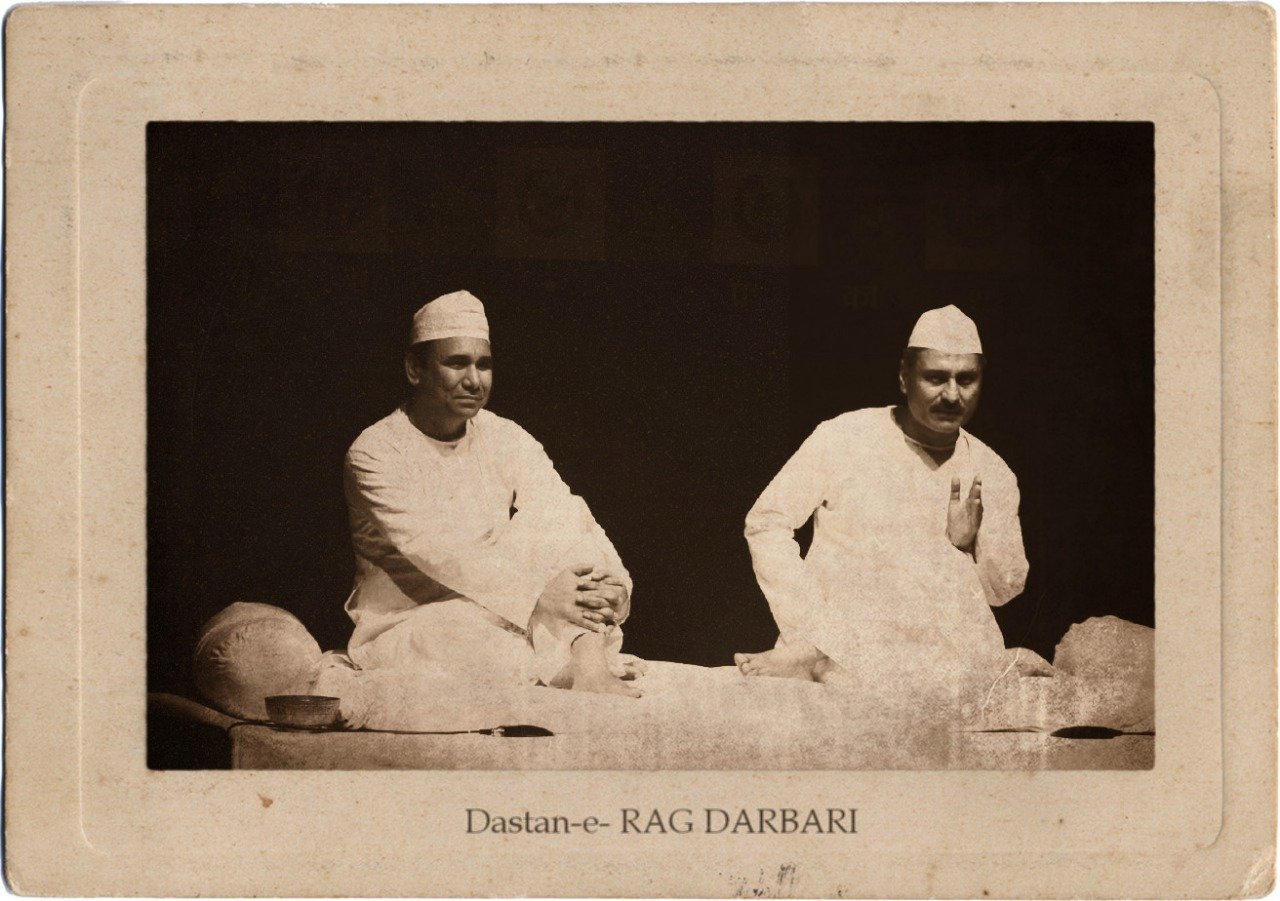
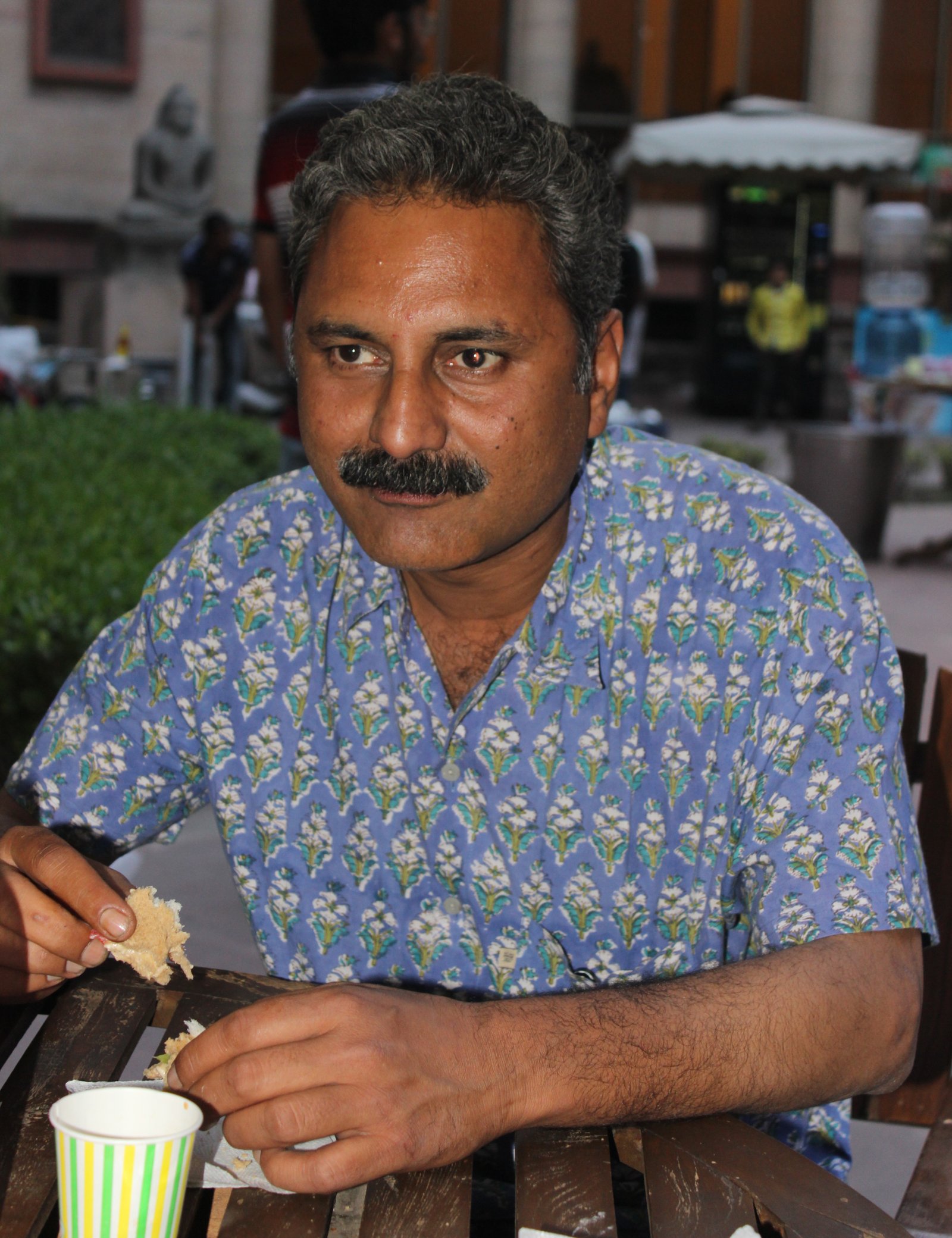


Farooqui is the origin point of the modern dastangoi revival. What distinguishes him is not only performance but reconstruction: he rebuilt a lost form from the texts and then taught it forward. For a host, a Farooqui dastan is the closest thing to the source, delivered with a historian's framing. [Atlas Assessment]
Mahmood Farooqui is the single figure most responsible for bringing dastangoi back as a living art after nearly a century of dormancy, and the teacher from whom a new generation of dastangos has learned. Beginning in 2005, he reconstructed the performance grammar of the classical Urdu oral tradition, revived the Dastan-e-Amir Hamza and other dastans on the contemporary stage, and trained and mentored many practitioners. His work has restored a major strand of Urdu literary and performance culture to public life.