About
Punjab & Sind Bank's stated CSR commitment is to ethical conduct, inclusive development and community upliftment. Cultural patronage through the annual Sikh heritage calendar is a long-standing institutional tradition.
Government bank with a 50-year tradition of commissioning Sikh heritage art for its annual illustrated calendar. A documented archive of commissioned religious and cultural art. Section 135 CSR mandate does not apply to banks; this patronage is voluntary.
Punjab & Sind Bank was founded in 1908 by Sikh religious scholars and community leaders including Bhai Vir Singh, establishing it with a foundational connection to Sikh culture and heritage. In 1974, under the leadership of senior management, the bank initiated its illustrated calendar programme, commissioning artists to create original artwork based on Sikh history, scripture, saints and heritage sites for its annual calendar.
This programme has continued without interruption for over 50 years, creating what scholars have described as a significant commissioned archive of Sikh heritage art. The bank's website maintained an archive of its Sikh history calendars from 2002 to 2018. Academic research, including work by scholar Kanika Singh published in the Cambridge University Press volume The Story of a Sikh Museum (2025), has documented the Punjab & Sind Bank calendar programme as one of three major sources of Sikh heritage art patronage in independent India alongside Sikh museums and the government, noting the ways these sources of patronage intersected through shared individuals and institutions.
This 50-year tradition is remarkable for its consistency and its voluntary character. Unlike most corporate cultural programmes documented in this Atlas, the Punjab & Sind Bank calendar patronage predates the mandatory CSR era and represents a genuine institutional commitment rooted in the bank's cultural identity rather than regulatory obligation.
Founding & Leadership
Punjab and Sind Bank was founded on 24 June 1908 in Amritsar by Sikh reformers of the Singh Sabha movement, notably Bhai Vir Singh (the pioneering Punjabi poet and scholar), Sir Sunder Singh Majitha, and Sardar Tarlochan Singh. The bank was established with an explicit religious-communitarian mandate: 'by the Sikhs, for the Sikhs,' intended to serve the Sikh community of colonial Punjab and Sind and to support economic self-sufficiency within the community. It opened at Hall Bazaar, Amritsar, with 10,000 rupees collected on its first day. The bank was initially going to be named The Punjab Union Bank Ltd but was incorporated as Punjab and Sind Bank to accommodate Punjabi Sikh communities in Sindh. It was nationalised in 1980 as part of the second wave of bank nationalisations. Despite nationalisation, it retained a strong association with Sikh institutional identity, continuing to commission Sikh history paintings for its annual calendars from the 1970s through the early 2000s, an initiative that has since been recognised in a Cambridge University Press monograph (Kanika Singh, The Story of a Sikh Museum, 2025) as a significant act of cultural production.
Voluntary CSR (Section 135 of the Companies Act, 2013 does not apply to the banking sector; PSB confirms this in its own BRSR FY2024-25 disclosures). Social responsibility initiatives are discretionary and self-funded from the bank's resources.
Board of Directors including Government of India nominees (Government of India holds 93.85% stake)
Initiatives & Portfolio
50+ year unbroken programme commissioning original artwork on Sikh history, heritage, scripture and saints for the bank's annually illustrated calendar. Documented by academic scholars as a significant archive of commissioned Sikh heritage art. Archive of 2002-2018 editions maintained on the bank's website.
Community development activities in banking and financial services communities. Section 135 of the Companies Act does not apply to banks, so activities are voluntary. Education and community welfare focused.
Cultural Funding
Cultural verticals
Impact & Metrics
Credentials & Compliance
CSR-eligible · Not applicable (Section 135 not applicable to banks)
Section 135 of the Companies Act 2013 does not extend to the banking sector. Punjab and Sind Bank carries out voluntary CSR as a matter of institutional values, not statutory obligation.
Recognition
Bhai Mati Das Museum (Chandni Chowk, Delhi): 169+ history paintings donated by PSB form the core of the museum's collection, described in Kanika Singh, 'The Story of a Sikh Museum' (Cambridge University Press, 2025) as a significant act of cultural patronage within the Sikh heritage tradition



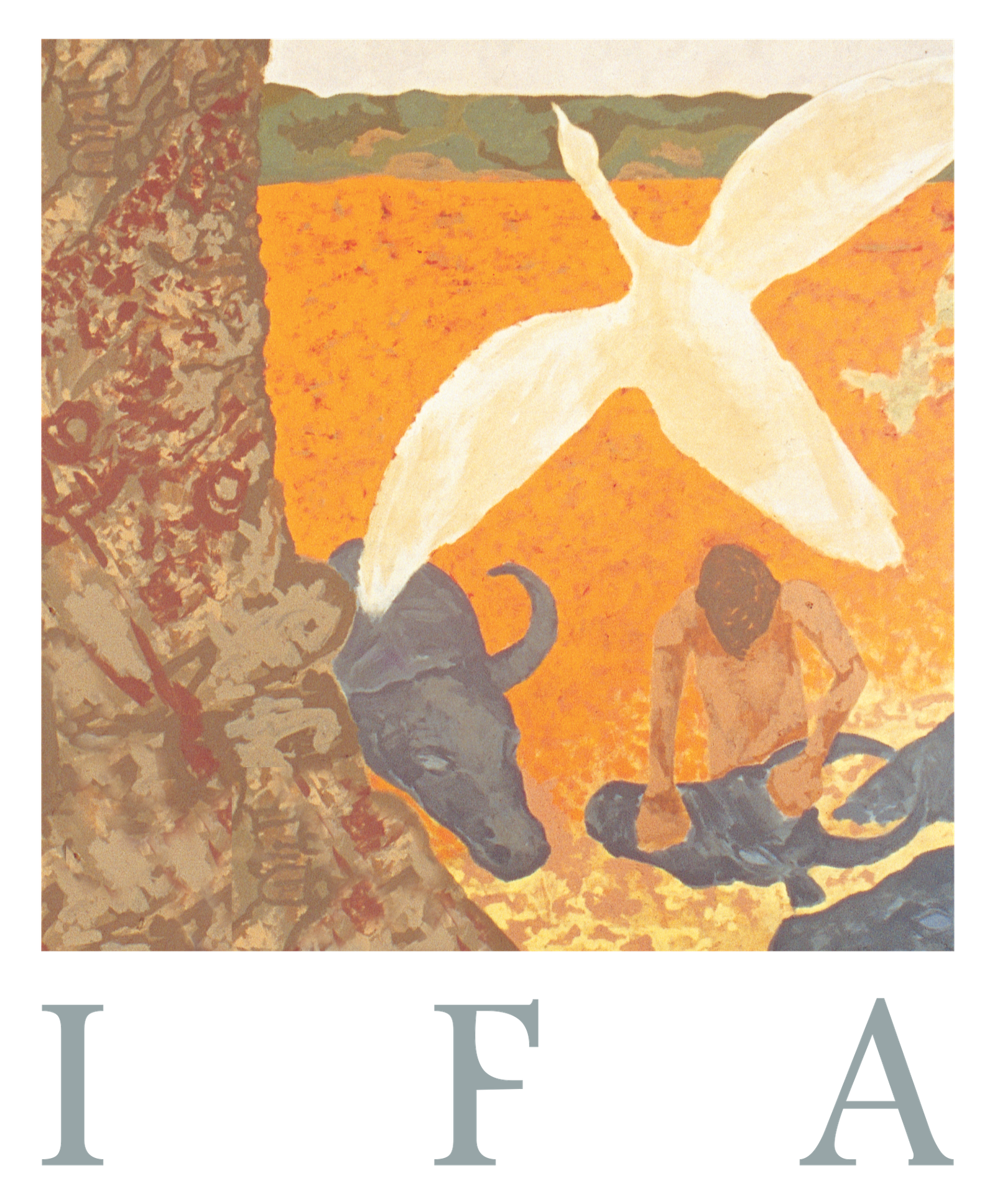
Punjab & Sind Bank's 50-year Sikh heritage calendar programme is, quietly, one of the most sustained traditions of commissioned cultural patronage in Indian corporate history. Its significance is documented in academic literature precisely because its consistency and its connection to the bank's founding identity give it an authenticity that most corporate cultural programmes lack. The fact that it predates mandatory CSR by four decades and continues unchanged into the CSR era confirms that it is an institutional value, not a regulatory response.
[Atlas Perspective] Punjab & Sind Bank's cultural patronage is specific, genuine and historically documented. The 50-year Sikh heritage calendar is a real contribution to cultural preservation that deserves recognition on its own terms.
The bank's broader cultural potential is, however, larger than the calendar programme reflects. Punjab and Sind are two of India's most culturally rich regions, with performing traditions including the classical music of Patiala, the folk music of Punjab's rural communities, the craft traditions of Amritsar's artisans and the literary tradition of Punjabi and Urdu poetry. The bank's historical connection to Sikh heritage, its geographic base in north India and its government enterprise status give it a positioning from which a more expansive cultural programme, including performing arts support, folk music documentation or craft community engagement, would be both authentic and significant.
Section 135 not applying to banks means there is no mandatory floor for cultural spending. That makes the 50-year calendar all the more remarkable, and makes a stronger cultural programme all the more a matter of institutional will rather than regulatory compliance.