The Story Evolution Programme Scores Audience Intelligence Sponsorship Tourism Media Gallery Visit Ecosystem Sustainability
← All Festivals
Festival ★ Tier A Visual Arts Regenerative Landscape Art Biennale

sa Ladakh Biennale

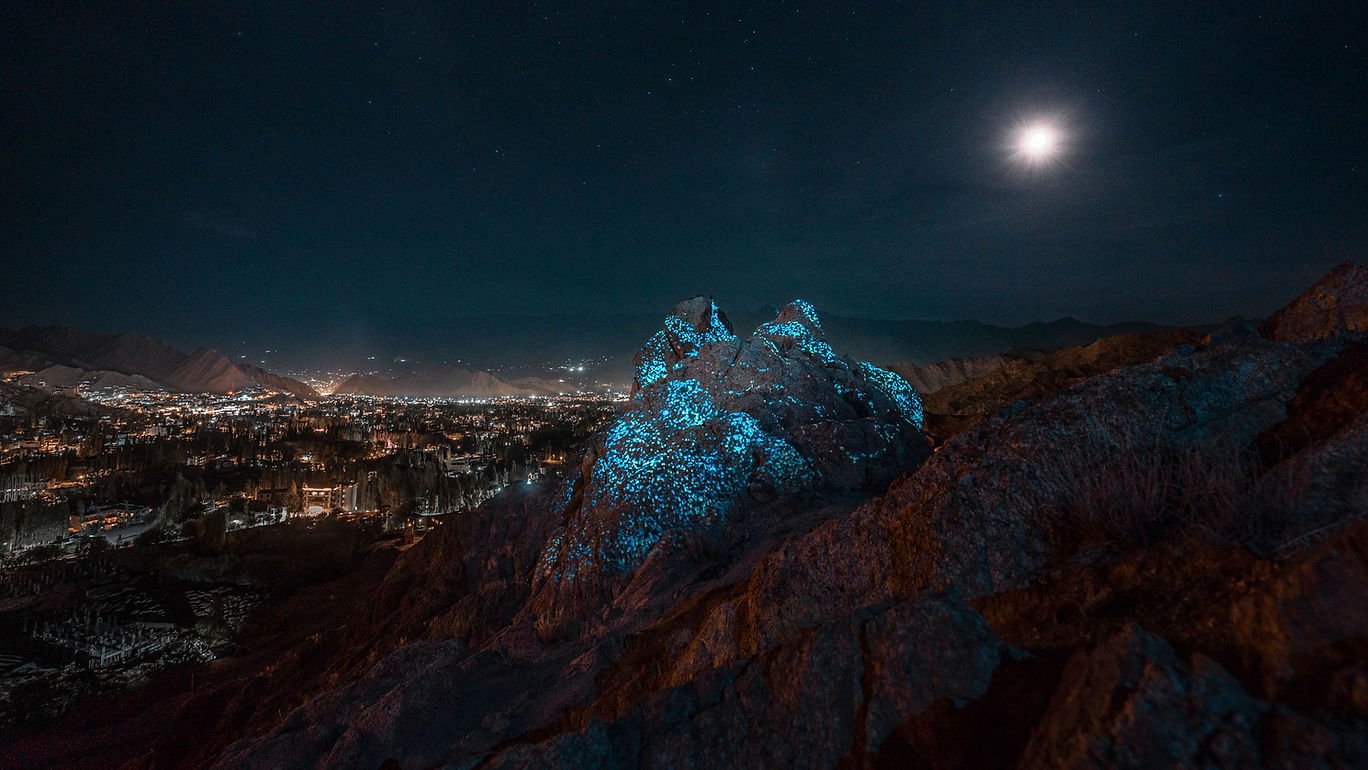
The world's highest regenerative art biennale, unfolding across eight sites along the 230-km Leh-Kargil corridor at elevations above 3,000 metres. Founded in 2023, the inaugural full Biennale runs 1-10 August 2026 under curator Vishal K Dar's framework 'Signals from Another Star', presenting Ladakhi and international artists in site-responsive works across villages, open landscapes, and learning spaces.

Leh, India
Founded
2023
Frequency
Biennial
Edition
2nd edition
Next Edition
1–10 Aug 2026
Duration
10 Days
Claim this profile
◆  Atlas Commentary

sa Ladakh Biennale is the Atlas's most significant new festival entry in the current cycle. The world's highest art biennale, founded with genuine community roots and a principled curatorial framework, in one of India's most ecologically significant and culturally underrepresented landscapes, represents exactly what the Atlas exists to map. For programme curators, funders, and cultural institutions, sa Ladakh is the event to engage with. The non-ticketed, free-entry model and the distributed, journey-based format make it accessible to anyone willing to make the trip to Ladakh, which itself is a significant cultural barrier, but the Biennale's own materials are clear about this: acclimatisation is essential, and the journey is part of the work.

Culture Atlas Editorial ◈ Atlas Tier A Benchmark Updated 2026-09-20
●  Live - Culture Pulse
Festival Dates: 1 Aug 2026 Venue: Eight sites along Leh-Kargil corridor: Kargil, Mulbekh, Heniskot, Lamayuru, Nurla, Likir, Basgo, Leh Ticket Status: Free Applications / Registration: No Theme: Signals from Another Star|Ecology and regeneration|Ladakhi cultural heritage|Climate|Memory and landscape Status: Active
Last verified 2026-08-05
01

Scores

Atlas Team
9/10
Cultural Impact
5/10
Audience Reach
9/10
Programming Depth
Cultural Impact
9
Audience Reach
5
Programming Depth
9
National importance: High Global importance: High Regional importance: High
Scored across 8 dimensions by the Culture Atlas research team. How is this scored? →
02

The Story

Organizer

sa Ladakh began in 2023 as a land art exhibition in Leh, founded by Tenzin Jamyang, Raki Nikahetiya, and Sagar Singh, three practitioners who wanted to create a sustained cultural platform for Ladakh that was rooted in its ecology and community rather than imposed from outside. The name sa, meaning soil in Ladakhi, encodes this rootedness: the biennale is literally of the land. The full Biennale format in 2026, with eight sites distributed across the 230-km Leh-Kargil corridor, is an institutional expansion that takes the journey itself as part of the experience. Visiting sa Ladakh Biennale is not a day trip to a festival venue: it is a multi-day traversal of one of India's most ecologically sensitive and culturally layered landscapes. The artist roster for 2026 balances roughly equally between Ladakhi artists, Tundup Dorjay, Chemat Dorjey, Stanzin Samphel, Stanzin Tsepel, Stanzin Wangail, and Urgain Zawa, alongside artists from India and internationally including Jitish Kallat, Himali Singh Soin, and Swiss duo Studio Eidola. The 50-50 local-to-international ratio is described as a governing principle, not a target, reflecting a genuine commitment to equity rather than tokenistic inclusion. The Biennale's curatorial framework, 'Signals from Another Star', is curated by Vishal K Dar, whose work engages with ecology, memory, and place.

Cultural Significance

sa Ladakh Biennale is one of the most culturally significant new festivals in India for several reasons. First, it is the world's highest art biennale, which gives it a physical and environmental distinctiveness that no other event shares. Second, its commitment to zero-to-minimal-footprint artistic practice in an ecologically fragile region sets a model for responsible cultural programming in sensitive landscapes that India's festival sector desperately needs. Third, the 50-50 Ladakhi-international artist balance is a principled commitment to equitable partnership that distinguishes it from festivals that use community settings as backdrops for visiting art. Fourth, Ladakh's status as a Union Territory with a distinctive Buddhist cultural heritage, a rapidly changing ecology, and an active process of cultural transformation makes it an urgent site for exactly the kind of sustained cultural engagement the Biennale provides.

Why It Matters Today

The world's highest regenerative art biennale, with a zero-to-minimal-footprint practice philosophy, a 50-50 Ladakhi-international artist commitment, and a curatorial framework that positions art as a response to ecological urgency in one of the world's most threatened mountain landscapes.

03

Connections

Based in
Leh
05

Atlas Perspective

Atlas Team
◆  Atlas Intelligence
The world's highest regenerative art biennale, with a zero-to-minimal-footprint practice philosophy, a 50-50 Ladakhi-international artist commitment, and a curatorial framework that positions art as a response to ecological urgency in one of the world's most threatened mountain landscapes.
06

Programme

Organizer
Programming Pillars
Site-specific artResidenciesWorkshopsCommunity-led eventsEcological engagement
Formats
Site-responsive installationsResidenciesWorkshopsCommunity initiativesOpen journey format
Key Themes
Signals from Another StarEcology and regenerationLadakhi cultural heritageClimateMemory and landscape
Cultural DNA
Ladakhbiennalecontemporary artecologyregenerativeLeh-KargilHimalayacommunitysite-specificclimate
Ecosystem Role
India's primary contemporary art Biennale in a Himalayan landscape setting
08

Tourism Intelligence

Shared · Verified
High
Destination Appeal
9/10
Cultural Tourism

In the Press

More coverage on Google News →
09

Media Intelligence

Atlas Team
High
Media Visibility
High
Digital Reach
10

Visit

Organizer
Eight sites along Leh-Kargil corridor: Kargil, Mulbekh, Heniskot, Lamayuru, Nurla, Likir, Basgo, Leh
Venue
Leh, Ladakh
Location
August · 10 Days
When
Free
Entry
No
Registration
Nearest Transport
Airport: Kushok Bakula Rimpochee Airport, Leh · Railway: No direct rail to Leh. Nearest: Jammu Tawi (700 km) or Chandigarh. Fly or road journey required.
Weather
August: dry, sunny, blue skies in Ladakh. 10-25°C at Leh elevation. Acclimatise 48h before high-altitude travel.
Facilities
Eco-friendlyFree drinking waterNon-smoking
Amenities
Food AvailableFamily Friendly
11

Ecosystem

Atlas Team
Cultural Influence
sa Ladakh Biennale is one of the most culturally significant new festivals in India for several reasons. First, it is the world's highest art biennale, which gives it a physical and environmental distinctiveness that no other event shares. Second, its commitment to zero-to-minimal-footprint artistic practice in an ecologically fragile region sets a model for responsible cultural programming in sensitive landscapes that India's festival sector desperately needs. Third, the 50-50 Ladakhi-international artist balance is a principled commitment to equitable partnership that distinguishes it from festivals that use community settings as backdrops for visiting art. Fourth, Ladakh's status as a Union Territory with a distinctive Buddhist cultural heritage, a rapidly changing ecology, and an active process of cultural transformation makes it an urgent site for exactly the kind of sustained cultural engagement the Biennale provides.
Comparable Festivals
Kochi-Muziris BiennaleSerendipity Arts FestivalInternational high-altitude art events
Type Festival
Atlas Verified No
Last Updated 2026-09-20
Connected Discoveries

Connected Discoveries

Continue your journey through India's cultural landscape.