The Story Evolution Programme Scores Audience Intelligence Sponsorship Tourism Media Gallery Visit Ecosystem Sustainability
← All Festivals
Festival ★ Tier A Music Travelling Folk Revival Community-Hosted Heritage Festival

Rajasthan Kabir Yatra

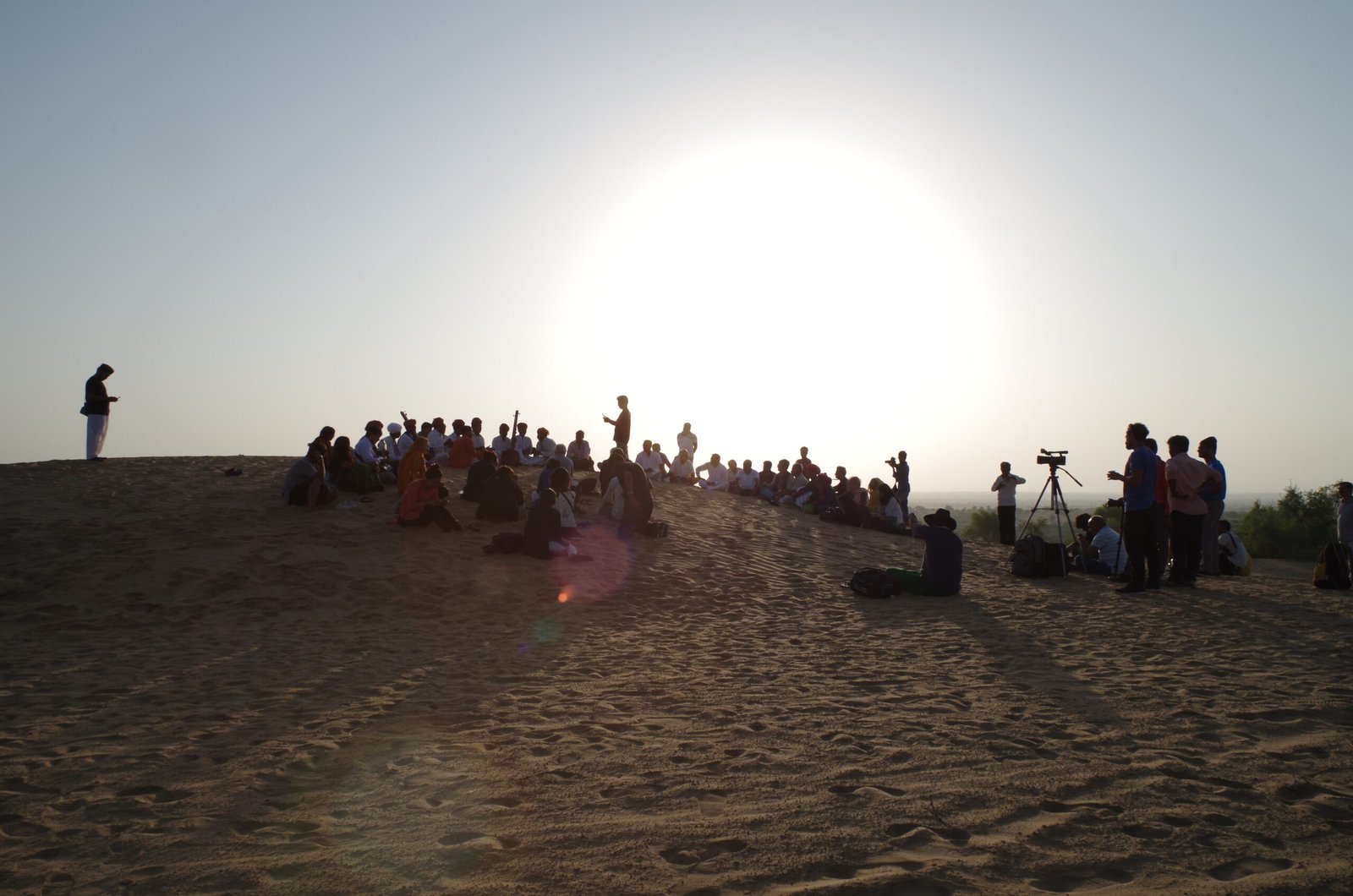
India's longest travelling folk music festival, founded 2012 by Gopal Singh Chouhan in Bikaner. An 8th edition in 2025 journeyed across Bikaner's rural hinterland for 5 days with 250+ yatris, visiting 100+ villages across 14 districts of Rajasthan since inception. Organised by Malang Folk Foundation.

Bikaner, India 250+ attended
Founded
2012
Frequency
Annual
Edition
8th edition
Next Edition
1 Oct 2026 – in 43 days
Duration
5 Days
Claim this profile
◆  Atlas Commentary

[Atlas Perspective] CultureAtlas rates Rajasthan Kabir Yatra as one of the most distinctive festival formats in India's documented corpus. Its travelling structure, community-hosted model, free entry commitment and use of music as a tool for communal harmony give it a cultural mandate that extends beyond programming. The Yatra does not produce a stage for audiences -- it creates a space for communities to host. That inversion of the conventional festival logic is its defining contribution. CultureAtlas notes it as a model for what festivals can be when their purpose is cultural depth rather than commercial or prestige accumulation.

Culture Atlas Editorial ◈ Atlas Tier A Benchmark Updated 2026-08-18
●  Live — Culture Pulse
Festival Dates: 1 Oct 2026 Ticket Status: Free Applications / Registration: Yes Theme: Kabir|Bhakti|Nirgun|Sufi|Communal Harmony|Oral Tradition Status: Active
01

Scores

Atlas Team
9/10
Cultural Impact
8/10
Programming Depth
7.5/10
Longevity
7/10
Audience Reach
8.5/10
Ecosystem Role
9/10
Originality
Cultural Impact
9
Programming Depth
8
Longevity
7.5
Audience Reach
7
Ecosystem Role
8.5
Originality
9
National importance: High Global importance: Medium Regional importance: Exceptional
Scored across 8 dimensions by the Culture Atlas research team. How is this scored? →
02

The Story

Organizer

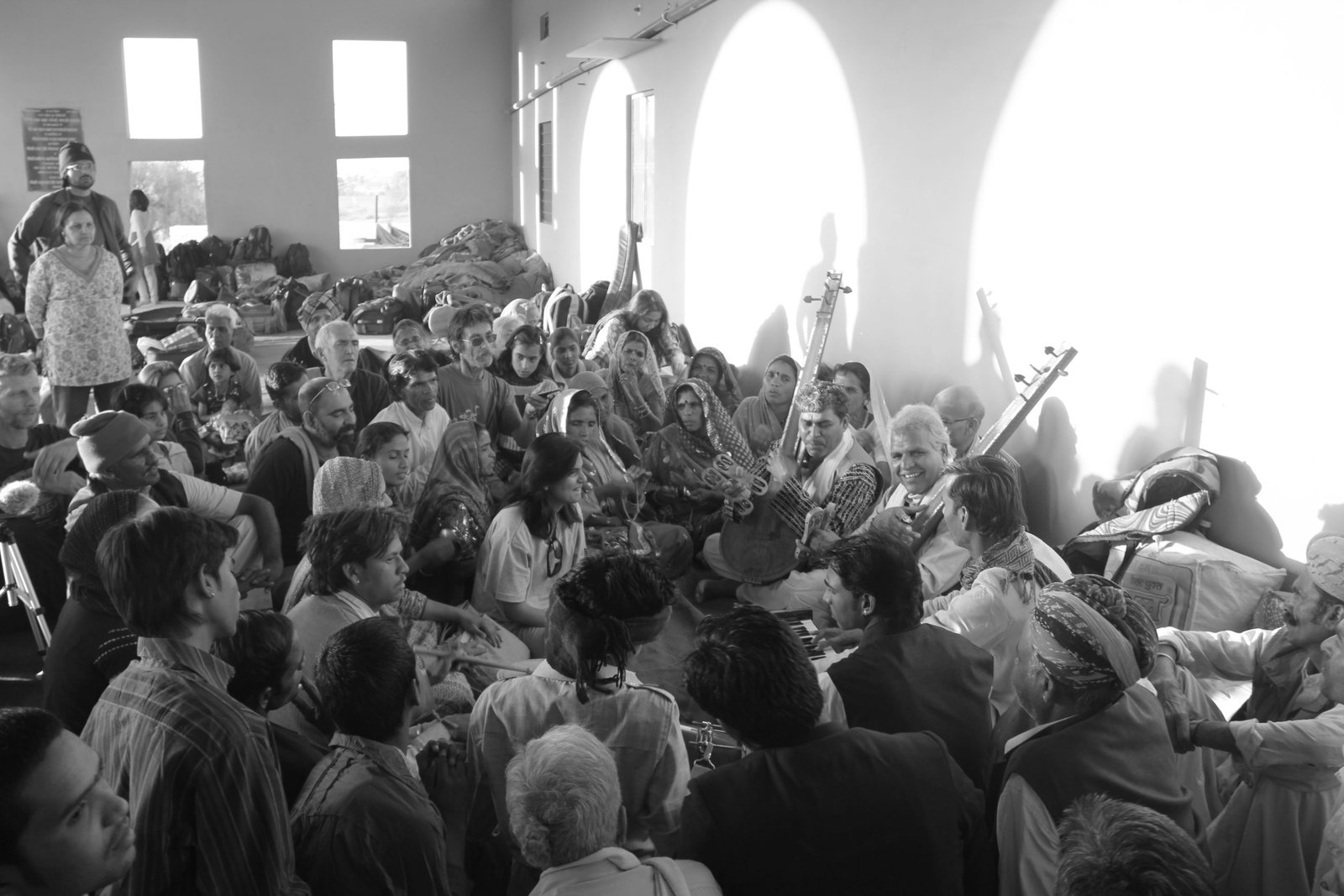
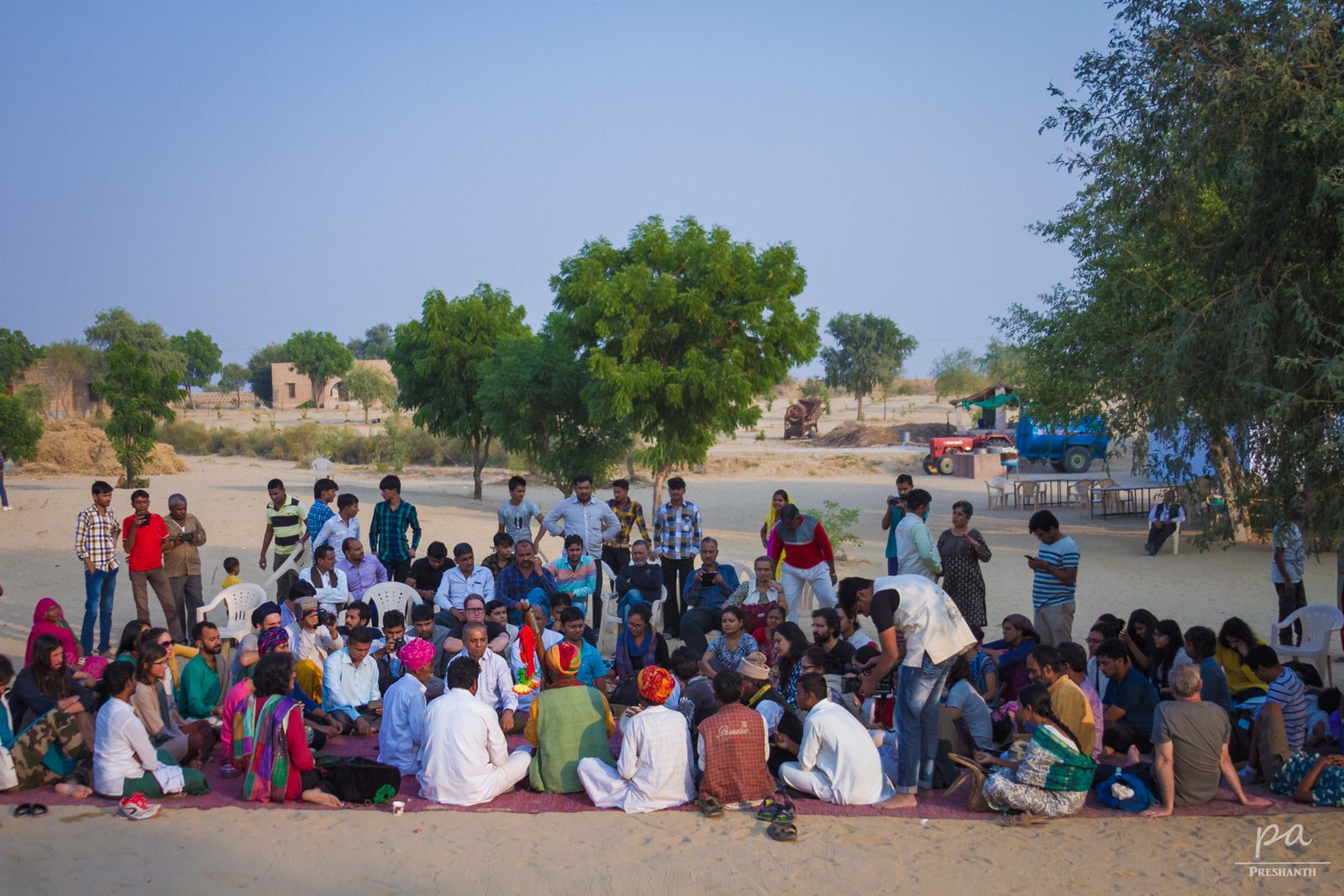
Gopal Singh Chouhan, a cultural activist and music lover from Bikaner, conceived the Yatra in 2012, drawing on two community traditions: the jaagran (an all-night gathering where singers from different communities come together) and the yatra (pilgrimage journey). His insight was that the wisdom of Kabir and the Bhakti-Sufi saints -- which has always dissolved boundaries of caste, class and religion -- needed to be taken back to the villages that produced and sustained it, not just performed in urban auditoriums. The first edition was organised under Lokayan Sansthan, a non-profit that has worked with folk artists and historians in Rajasthan for 25 years. In 2016, the Yatra partnered with Bikaner Police under Project Taana Baana, deliberately routing it through villages that had recently experienced communal tension, using music as an instrument of reconciliation. The collaboration attracted national media attention and set the model for subsequent editions. By 2025, the Yatra had matured into a Malang Folk Foundation initiative with district administration support, 250+ yatris from multiple countries, and performances by Padma Shri awardees. The Yatra has no ticketing, no stage, and no fixed venue -- its concerts happen wherever the community decides to host them.

Cultural Significance

Rajasthan Kabir Yatra's cultural significance is structural as well as aesthetic. It is the only major Indian music festival that is simultaneously a pilgrimage, a community development initiative, and a programme of cultural reconciliation. Its rejection of the ticketed urban festival model in favour of village-hosted free concerts represents a deliberate philosophical position: that the poetry of Kabir belongs to the communities that have always carried it, not to audiences who can afford festival passes. The Yatra's reach -- 100+ villages, 14 districts, 250+ yatris annually -- gives it a geographic footprint that no urban festival of comparable cultural ambition can claim.

Why It Matters Today

At a time when India's cultural funding and attention flow overwhelmingly towards large urban festivals, Rajasthan Kabir Yatra matters because it demonstrates a completely different and increasingly necessary model: culture that travels to its audience, is hosted by communities rather than staged for them, and serves social as well as artistic ends.

First, it is a working answer to the problem of rural cultural access. Most of India's celebrated festivals require an audience with the means and mobility to travel to a city. The Yatra reverses this, carrying world-class folk and devotional performance into desert villages and making it free to all who gather. For rural audiences and for the hereditary musicians who live in these regions, this is not a supplement to cultural life but a rare occasion of it.

Second, it is a live experiment in whether shared culture can ease social division. The Taana-Baana partnership treated devotional music as a practical tool for communal harmony, a claim that is easy to be sceptical of but rare to see attempted at all. In a period of heightened social tension, a festival that consciously brings communities into shared devotional space is a meaningful proposition.

Third, it preserves endangered oral traditions at their source. By documenting and performing Nirgun, Bhakti and Sufi poetry with the hereditary communities that carry it, and by archiving that material, the Yatra works against the slow erosion of these traditions rather than merely showcasing them once they are already famous.

Finally, it matters as a model of resilience and dependence. The festival's pandemic pause and its reliance on shifting institutional partnerships show how fragile community-scale cultural work can be. That it has nonetheless sustained eight editions over more than a decade, largely on the commitment of village communities, is itself an argument for the durability of culture that is genuinely rooted in place.
04

Evolution

Organizer
2012
The First Yatra
The inaugural Rajasthan Kabir Yatra is initiated under Lokayan Sansthan, opening at Momasar and journeying through the Bikaner region including Napasar, Jamsar, Diyatra and Pugal, hosted by village communities.
2016
The Taana-Baana Partnership
After a three-year gap, the Yatra returns in partnership with the Bikaner Police under the project Taana-Baana, reframing the festival as an instrument of communal harmony.
2017
Into the Jodhpur Region
The third edition voyages through Siwana, Barmer, Choutan and Gadra Road, deepening the festival's reach across western Rajasthan.
2018
Expanding the Route
The fourth edition, 2 to 7 October, travels from Bikaner through Bap, Nachna, Jaisalmer, Sam and Jodhpur over six days.
2019
Growth and the Pink City
The fifth edition opens in Jaipur, bringing together around fifty artists and over five hundred yatris, marking the festival's largest scale to date.
2020-2021
Pandemic Pause
The festival is cancelled for two years due to the COVID-19 pandemic.
2022
Revival
The Yatra resumes with its sixth edition, re-establishing its annual rhythm.
2025
Eighth Edition
Held 1 to 5 October across Bikaner and the villages of Kelan, Chhattargarh, Kalu and Katariasar, now organised by the Malang Folk Foundation, with performances by Kavita Seth, Kaluram Bamaniya, Mooralala Marwada, Kabir Cafe and others.
Defining Moments
The Jaagran Model
Building the festival on the all-night satsang tradition, where communities and travelling yatris sing mystic poetry together through the night, established the Yatra's defining form.
Project Taana
Baana (2016-2019) - The partnership with the Rajasthan Police turned a music festival into a recognised instrument of communal harmony across seven districts, an unusual fusion of culture and civic…
ICCROM Case Study
International recognition as a case study in keeping folk music alive positioned RKY within global conversations on intangible cultural heritage.
Post
Pandemic Revival (2022) - Resuming after a two-year forced pause demonstrated the festival's resilience and the depth of community commitment sustaining it.
05

Atlas Perspective

Atlas Team
◆  Atlas Intelligence
At a time when India's cultural funding and attention flow overwhelmingly towards large urban festivals, Rajasthan Kabir Yatra matters because it demonstrates a completely different and increasingly necessary model: culture that travels to its audience, is hosted by communities rather than staged for them, and serves social as well as artistic ends.
06

Programme

Organizer
Programming Pillars
Sant-Vaani performance (KabirMiraBulleh ShahAmir KhusrauShah Latif)Jaagran/Satsang (all-night devotional gatherings)Film screenings on mystic poetsTravelling community lifeVillage hospitality
Signature Experiences
Desert satsangs under open skyPerformances hosted by rural communities in their own spacesCross-community musical dialogue250+ yatris travelling with folk musicians for 5 daysTribute concerts to Kabir and other Bhakti-Sufi saints
Formats
ConcertsAll-night SatsangFilm ScreeningsCommunity Gatherings
Key Themes
KabirBhaktiNirgunSufiCommunal HarmonyOral Tradition
Cultural DNA
folk musicKabirBhaktiSufiSant-Vaanitravelling festivalRajasthancommunal harmonysatsangdesertvillage
Ecosystem Role
Community cultural platform; folk music preservation; communal harmony through Bhakti-Sufi tradition; rural audience development
07

Audience Intelligence

Organizer
250+ yatris (travelling participants); village audiences across route
Attendance
Growing
Trend
Folk music lovers, seekers, scholars, students, village communities, international visitors
Audience Type
Audience Geography
Rural Rajasthan (host communities) plus yatris from across India and abroad
Audience Analysis

The Rajasthan Kabir Yatra audience is unusual among Indian festivals in being predominantly rural and community-based rather than urban and ticket-buying. The core audience is the residents of the host villages themselves, who gather in their thousands for the free all-night performances, alongside a travelling contingent of yatris, numbering over 250 in the 2025 edition, who journey the full route from across India and, in smaller numbers, abroad.

This produces a distinctive urban-rural mix: hereditary folk musicians and rural devotional audiences on one side, and an eclectic band of urban cultural enthusiasts, scholars and students on the other, sharing the same night-long satsang. The festival's appeal is participatory and immersive rather than spectatorial, and audience loyalty appears high, with the yatri community returning year on year. Detailed demographic breakdowns are not publicly documented, consistent with the festival's community-run, non-commercial character.

08

Tourism Intelligence

Shared · Verified
Medium
Destination Appeal
Medium
Tourism Impact
Tourism Analysis

Rajasthan Kabir Yatra's tourism impact is real but distinctive in character. Rather than concentrating visitors in a single destination, it distributes a travelling community of yatris across a route of rural towns and villages over five days, bringing visitors and their spending into places well off the conventional Rajasthan tourist circuit of Jaipur, Udaipur and Jodhpur.

For the host villages, the Yatra brings a temporary influx of travellers who require food, lodging and local services, and it raises the cultural profile of communities that rarely feature in tourism narratives. The experience it offers, an immersive, participatory journey through desert Rajasthan structured around music and satsang, appeals to a niche of culturally motivated and international travellers seeking something beyond heritage-monument tourism. Its overall economic impact is modest in absolute terms but meaningful for the specific rural communities it reaches.

In the Press

More coverage on Google News →
09

Media Intelligence

Atlas Team
Moderate
Media Visibility
Media Analysis

Rajasthan Kabir Yatra has attracted steady, if regional, media attention across its editions, and a level of institutional and academic recognition unusual for a festival of its scale. It has been the subject of an international case study by ICCROM on keeping folk music alive, and has been covered by rural-focused outlets such as Gaon Connection as well as regional press and the Rajasthan Tourism department's own platforms.

Its media profile is built less on celebrity or scale than on the distinctiveness of its model and the resonance of its communal-harmony mission. Coverage tends to emphasise the festival's travelling format, its rootedness in village hospitality, and its role in preserving Bhakti-Sufi oral traditions. National mainstream coverage is lighter than for India's major urban festivals, reflecting both its rural character and its non-commercial organisation.

10

Visit

Organizer
Bikaner, Rajasthan
Location
October · 5 Days
When
Free
Entry
No
Live Streaming
Yes
Registration
Address
Bikaner, Rajasthan (festival held across multiple village locations in western Rajasthan)
11

Ecosystem

Atlas Team
Cultural Influence
A model for community-hosted, travelling cultural preservation in rural India
Type Festival
Atlas Verified No
Last Updated 2026-08-18
Connected Discoveries

Connected Discoveries

Continue your journey through India's cultural landscape.