The Story
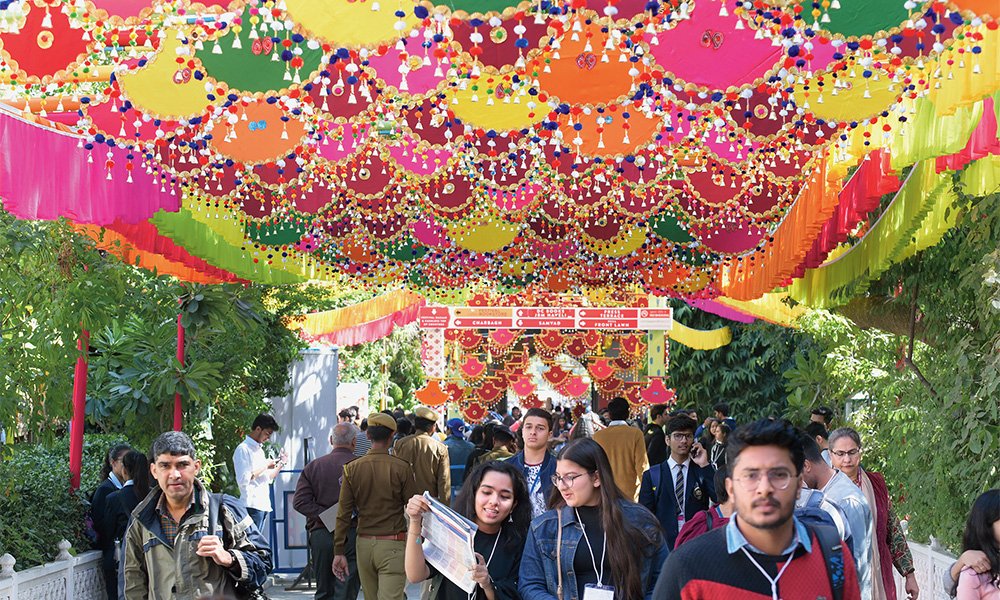
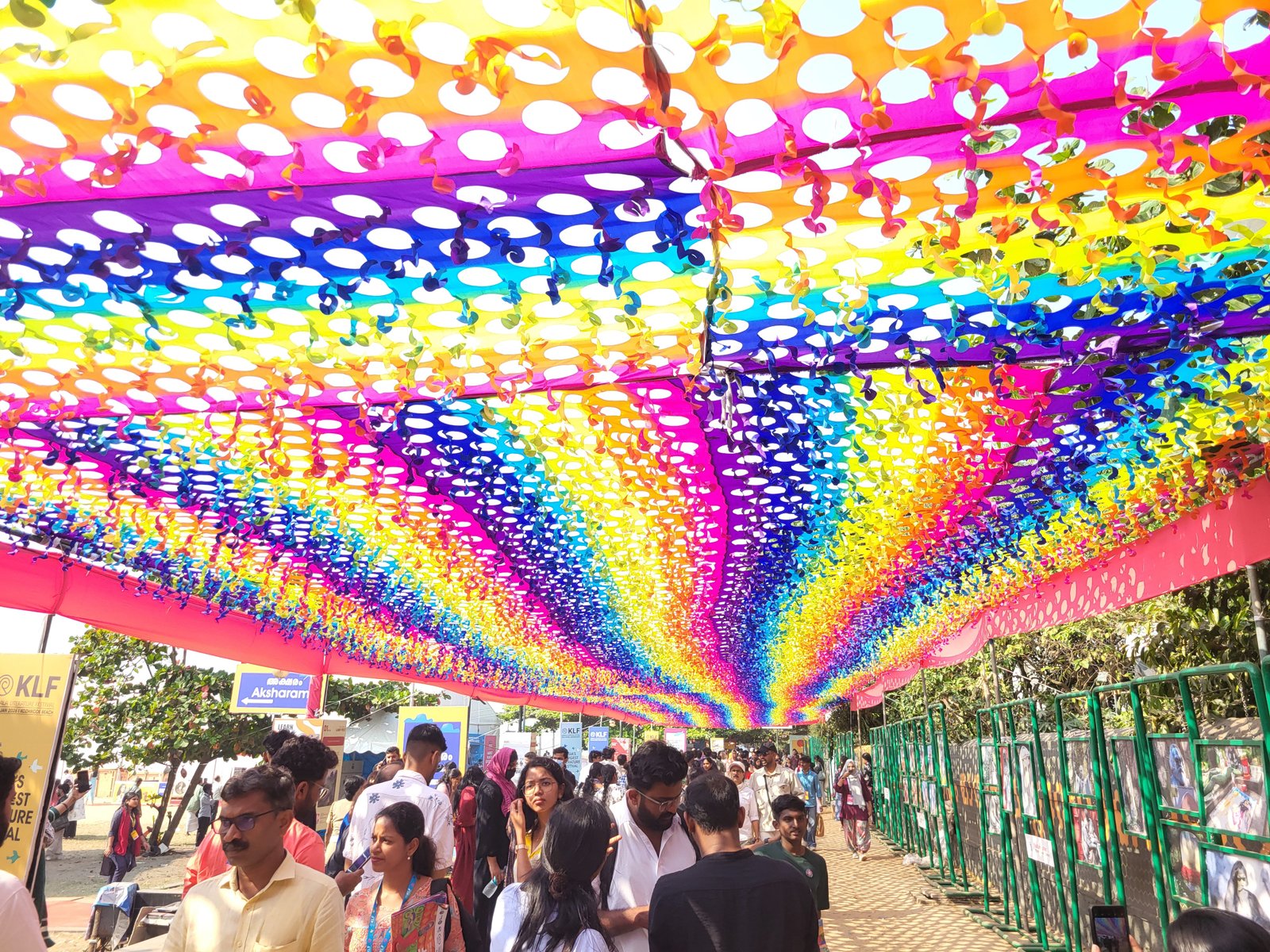
OrganizerThe Kala Ghoda Arts Festival was founded in 1999 by the Kala Ghoda Association, a non-profit body formed to physically upgrade and culturally enliven the Kala Ghoda sub-precinct in the Fort area of South Mumbai, a district rich in art-deco and heritage architecture, galleries and museums, named after a 'black horse' (kala ghoda) equestrian statue of King Edward VII that once stood there and was relocated in 1965. The festival was conceived both as a celebration of the arts and as a means to fund and advance the Association's conservation and beautification work in the precinct. From modest beginnings it has grown into one of India's most prominent cultural events and, by common description, Asia's largest multidisciplinary street arts festival. Held annually over nine days (traditionally spanning the first and second weekends of February) it is organised into around twelve sections, each with its own curatorial team: visual arts, dance, music, theatre, cinema, literature including a children's strand, workshops, heritage walks, urban design and architecture, food, a children's section, and the signature street section. The streets of the precinct, Rampart Row (Rajabai/ K. Dubash Marg), Cross Maidan and Horniman Circle Garden among them, are filled with large-scale public art installations, while the area's heritage venues, including the David Sassoon Library, the Jehangir Art Gallery surrounds and various auditoriums, host performances, screenings, readings and talks. The festival's defining principle is access: entry to all events is free (limited only by venue capacity), with the festival's costs met through corporate sponsorship. This has made it a uniquely democratic cultural gathering, drawing enormous crowds (visitor estimates across the nine days range widely into the hundreds of thousands) from across Mumbai, India and abroad. Its 25th (Silver Jubilee) edition in 2025, themed around 'Silver', celebrated a quarter-century of transforming the city into what organisers like to call a cultural playground, and the festival returned for its 2026 edition from 31 January to 8 February. Today Kala Ghoda stands as a beloved Mumbai institution and a national model for public, inclusive, multidisciplinary arts.
Kala Ghoda's cultural significance lies in its role as India's foremost multidisciplinary street arts festival and a model of free, public, civic culture. By transforming a heritage city precinct into an open-air gallery and stage spanning visual arts, performance, film, literature, design and crafts, it democratises access to the arts on a massive scale and brings diverse creative disciplines into a single shared space.
It is also significant as an instrument of urban heritage conservation: born from the Kala Ghoda Association's mission to upgrade and protect the precinct, it links cultural celebration to the care of Mumbai's architectural heritage and the idea of the city as an art district. As a launchpad for artists, a showcase for public art and a beloved annual ritual for Mumbai, it occupies a distinctive and important place in India's cultural calendar.
Kala Ghoda matters as one of India's most accessible and inclusive cultural events - a free, citywide celebration that brings the arts to vast public audiences across every discipline. It champions public and street art, supports artists and crafts, links culture to urban heritage conservation, and demonstrates how a city neighbourhood can become a democratic stage for creativity, making it a model for civic cultural festivals nationwide.
Kala Ghoda has pioneered large-scale, free, multidisciplinary street-arts festival-making in India; democratised public access to the arts; showcased and supported public art, performance and crafts; and linked cultural celebration to heritage conservation and the idea of Mumbai as an art district.