The Story Evolution Programme Scores Audience Intelligence Sponsorship Tourism Media Gallery Visit Ecosystem Sustainability
← All Festivals
✓ Atlas Verified Festival ★ Tier A Religious & Spiritual Monastic Masked-Dance Festival Ladakh's Premier Monastic Festival

Hemis Festival

Ladakh's most famous Buddhist monastic festival, a vivid two-day celebration at the 17th-century Hemis Monastery honouring Guru Padmasambhava, centred on masked 'cham' dances performed by lamas in elaborate brocade and masks against the stark Himalayan high desert.

Hemis, India
Founded
[Atlas Assessment] Long-standing monastic festival at the 17th-century Hemis Monastery
Frequency
Annual
Edition
[Atlas Estimate] Centuries of observance edition
Next Edition
24–25 Jun 2026
Duration
2 Days
Claim this profile
◆  Atlas Commentary

The Hemis Festival is the most celebrated of Ladakh's many monastic festivals, the one that, each summer, draws travellers from around the world up to the high Himalayan desert to witness the masked 'cham' dances of Tibetan Buddhism. Staged in the courtyard of Hemis Monastery, the largest and wealthiest gompa in Ladakh and the seat of the Drukpa lineage, it honours Guru Padmasambhava (Guru Rinpoche), the 8th-century master credited with bringing Buddhism to the Himalayas. The festival's heart is the cham: slow, stately, masked dances performed by lamas in spectacular silk-brocade robes and elaborate masks representing deities, protectors and figures of Buddhist cosmology, accompanied by cymbals, drums and long horns. The dances are not performance for performance's sake but sacred ritual, a dramatisation of the triumph of good over evil and a meditative offering. Set against whitewashed monastery walls, snow-edged peaks and a thin mountain light, the spectacle is among the most visually arresting in Indian festival culture. The Atlas reads Hemis as a religious festival of high cultural and tourism value, and a key expression of Ladakhi-Tibetan Buddhist heritage. Its significance is amplified by Ladakh's growing profile as a destination, which brings both opportunity and the familiar tension between authentic monastic ritual and tourist spectacle, worth noting honestly, even as the festival remains a living act of devotion.

Culture Atlas Editorial ◈ Atlas Tier A Benchmark Updated 2026-09-20
●  Live - Culture Pulse
Festival Dates: 24 Jun 2026 Venue: Hemis Monastery, Ladakh Ticket Status: Free / nominal Applications / Registration: No Theme: Tibetan Buddhism|Guru Padmasambhava|Cham Sacred Dance|Ladakhi Heritage|Good Over Evil Status: Active
Last verified 2026-06-07
01

Scores

Atlas Team
9/10
Cultural Impact
7.5/10
Audience Reach
7.5/10
Programming Depth
Cultural Impact
9
Audience Reach
7.5
Programming Depth
7.5
National importance: Medium Global importance: Medium Regional importance: High
Scored across 8 dimensions by the Culture Atlas research team · last reviewed 2026-06-07. How is this scored? →
02

The Story

Organizer

The Hemis Festival is celebrated at Hemis Monastery, the largest and most important Buddhist gompa in Ladakh and the principal seat of the Drukpa lineage, set in a side valley south of the Indus some 45 km from Leh. Re-established in its present form in the 17th century under royal patronage, the monastery hosts the festival each year on the 10th day (Tse-Chu) of the Tibetan lunar calendar, usually falling in June or July, to commemorate the birth anniversary of Guru Padmasambhava (Guru Rinpoche) the revered master who is credited with establishing Tantric Buddhism across the Himalayas. The festival's central spectacle is the cham, the masked sacred dance of Tibetan Buddhism. Over two days, lamas of the monastery perform a sequence of slow, deliberate, masked dances in the main courtyard, clad in vivid silk-brocade costumes and large, ornate masks depicting deities, dharma protectors and figures from Buddhist tradition, to the accompaniment of cymbals, drums, conch shells and long Tibetan horns. The dances enact the victory of good over evil and serve as a meditative ritual offering and a blessing for the community. Periodically, on a twelve-year cycle, the monastery also unfurls its giant sacred thangka of Guru Padmasambhava, one of the largest in Ladakh, a particularly auspicious occasion. Around the religious core, the festival becomes a vibrant social gathering: Ladakhis in traditional dress, local craft and food stalls, and, increasingly, travellers from across India and the world who time their Ladakh journeys to coincide with it. Set amid the stark grandeur of the high-altitude desert and the Himalayan peaks, Hemis has become both a profound act of Buddhist devotion and the signature cultural event of the Ladakhi tourist season.

Cultural Significance

The Hemis Festival's cultural significance lies in its role as the foremost expression of Ladakhi-Tibetan Buddhist heritage and as a living repository of the cham masked-dance tradition. It honours Guru Padmasambhava, a central figure in Himalayan Buddhism, and sustains the sacred dance, music, costume and ritual arts of the Drukpa lineage at its most important monastery.

As the most prominent of Ladakh's monastic festivals, it is a key marker of regional cultural and religious identity and a focal point of community life. It has also become central to Ladakh's cultural tourism, serving as a window through which visitors from India and abroad encounter Himalayan Buddhist culture. Its periodic unfurling of the giant Padmasambhava thangka is among the most significant religious occasions in Ladakh.

Why It Matters Today

Hemis matters as the leading custodian and public expression of Ladakh's Tibetan Buddhist masked-dance heritage, sustaining sacred traditions of dance, music and ritual in a fragile high-Himalayan culture. It anchors Ladakhi cultural identity and is central to the region's cultural tourism, offering visitors a rare, accessible encounter with living Himalayan Buddhism - while navigating the balance between sacred ritual and growing tourist attention.

Contribution To Culture

Hemis sustains the cham masked-dance, music, costume and ritual traditions of Tibetan Buddhism; honours and transmits the legacy of Guru Padmasambhava; anchors Ladakhi-Buddhist cultural identity; and serves as a primary gateway for visitors into Himalayan Buddhist culture, anchoring Ladakh's cultural tourism.
03

Connections

Based in
Leh
05

Evolution

Organizer
17th Century - Monastic Foundation: Hemis Monastery is re-established as the principal Drukpa-lineage gompa in Ladakh, with its festival honouring Guru Padmasambhava. Traditional Era - The Cham Tradition: The masked sacred dances, costumes and ritual music take their enduring forms as the festival's core. 20th Century - Regional Prominence: Hemis becomes the most celebrated of Ladakh's monastic festivals. 2000s, 2020s - Tourism Era: As Ladakh emerges as a major travel destination, the festival draws growing numbers of Indian and international visitors, becoming the signature event of the Ladakhi tourist season.
Defining Moments
Honouring Guru Rinpoche: The festival's dedication to Guru Padmasambha
The Cham Dances: The masked sacred dances became the festival's defini
The Giant Thangka: The periodic twelve
year unfurling of the colossal Padmasambhava thangka created the festival's most auspicious occasion.
The Tourism Era: Ladakh's rise as a destination made Hemis the signatu
06

Atlas Perspective

Atlas Team
◆  Atlas Intelligence
Hemis matters as the leading custodian and public expression of Ladakh's Tibetan Buddhist masked-dance heritage, sustaining sacred traditions of dance, music and ritual in a fragile high-Himalayan culture. It anchors Ladakhi cultural identity and is central to the region's cultural tourism, offering visitors a rare, accessible encounter with living Himalayan Buddhism - while navigating the balance between sacred ritual and growing tourist attention.
07

Programme

Organizer
Programming Pillars
Cham Masked DancesPadmasambhava VenerationMonastic Ritual & MusicGiant Thangka (periodic)Community GatheringCraft & Food Stalls
Signature Experiences
Masked Cham Dances in the CourtyardLamas in Brocade & MasksLong Horns & Ritual MusicThe Giant Thangka Unfurling (periodic)Ladakhi Traditional DressHigh-Himalayan Setting
Festival Components & IPs
Masked DanceReligious RitualMusicCommunity FairCraft Stalls
Formats
Monastic FestivalSacred Masked DanceReligious Ritual
Key Themes
Tibetan BuddhismGuru PadmasambhavaCham Sacred DanceLadakhi HeritageGood Over Evil
Cultural DNA
HemisCham DanceBuddhist FestivalLadakhPadmasambhavaMonasteryMasked DanceTibetan Buddhism
Ecosystem Role
The foremost monastic festival of Ladakh and a key expression of Himalayan Buddhism
08

Audience Intelligence

Organizer
[Atlas Estimate] Thousands of devotees and visitors over the two days
Attendance
Growing
Trend
Buddhist devotees, Ladakhi community, domestic and international cultural tourists
Audience Type
Medium
HNI Presence
8.4/10
Quality Score
55%
First-Time Visitors
[Atlas Estimate] Strong within travel and Himalayan-culture communities
Digital Audience
Medium
Creator Presence
Medium
Influencer Presence
Audience Geography
Ladakh core, pan-India travellers, and a notable international tourist presence
Visitor Origin
Ladakh, pan-India travellers, and significant international tourists
Domestic
7.5
International
2.5
Students
1
Families
3.5
Age Distribution
18-24
15%
25-34
28%
35-49
32%
50+
25%
Income Distribution
< ₹5L
25%
₹5-15L
32%
₹15-50L
28%
₹50L+
15%
Audience Analysis

Hemis draws a distinctive blend of devotional and tourist audiences. Its core is the local Ladakhi Buddhist community, for whom the festival is a sacred annual observance attended in traditional dress; layered onto this is one of the highest proportions of international visitors of any festival in the Atlas, reflecting Ladakh's strong appeal to foreign travellers and the festival's status as the signature event of the summer tourist season. Domestic travellers, photographers and culture enthusiasts complete the mix. The result is a relatively small but globally diverse audience set against a remote, high-altitude backdrop. Demographic figures are Atlas estimates. [Atlas Assessment]

10

Tourism Intelligence

Shared · Verified
International
Destination Appeal
High
Tourism Impact
8.7/10
Cultural Tourism
[Atlas Estimate] A significant draw within Ladakh's summer tourism season, supporting travel, accommodation, guiding and local crafts
Economic Impact
Tourism Analysis

The Hemis Festival is the signature cultural event of Ladakh's short, intense summer tourist season and a meaningful driver of regional tourism. Many travellers time their Ladakh journeys around it, and it features prominently in Ladakh tourism promotion as the region's foremost monastic festival. Its international appeal is notably high, drawing foreign visitors seeking an encounter with living Himalayan Buddhism. Given Ladakh's fragile ecology and the seasonal concentration of visitors, responsible-tourism considerations are increasingly important to the festival's sustainability. [Atlas Assessment]

In the Press

More coverage on Google News →
11

Media Intelligence

Atlas Team
Medium
Media Visibility
Travel and culture-press coverage
TV Coverage
Medium-High (within travel communities)
Digital Reach
[Data Not Publicly Available]…
Media Partners
Media Analysis

Hemis features prominently in travel and cultural media as Ladakh's most famous festival, with strong photographic appeal - the masked cham dances against the Himalayan landscape make it a recurring subject for travel journalism and photography. International coverage frames it as a key window onto Himalayan Buddhist culture. Its media profile is travel-led and visual rather than mass-news. [Atlas Assessment]

12

Visit

Organizer
Hemis Monastery, Ladakh
Venue
Hemis, Ladakh
Location
June, July · 2 Days
When
Free / nominal · Free / [Atlas Estimate] nominal-[Atlas Estimate] Nominal; paid tour packages arranged privately
Entry
[Data Not Publicly Available]
Live Streaming
No
Registration
Address
Hemis Monastery, Hemis, Leh district, Ladakh 194201
Get Directions →
How To Get There
Hemis Monastery lies about 45 km south of Leh and is reached by road from Leh, which is served by Kushok Bakula Rimpochee Airport. Most visitors base in Leh and travel to Hemis by taxi or tour for the festival day. There is no nearby railway; access is by air to Leh or the seasonal mountain highways.
Nearest Transport
Airport: Kushok Bakula Rimpochee Airport, Leh (IXL) · Railway: None nearby (nearest railheads are distant; access via Leh)
Best Time To Visit
On the festival days (June, July); acclimatise to the altitude in Leh first and start early to reach the monastery
Weather
Cool, dry, high-altitude summer (June, July); strong sun, cold mornings
Travel Advisory
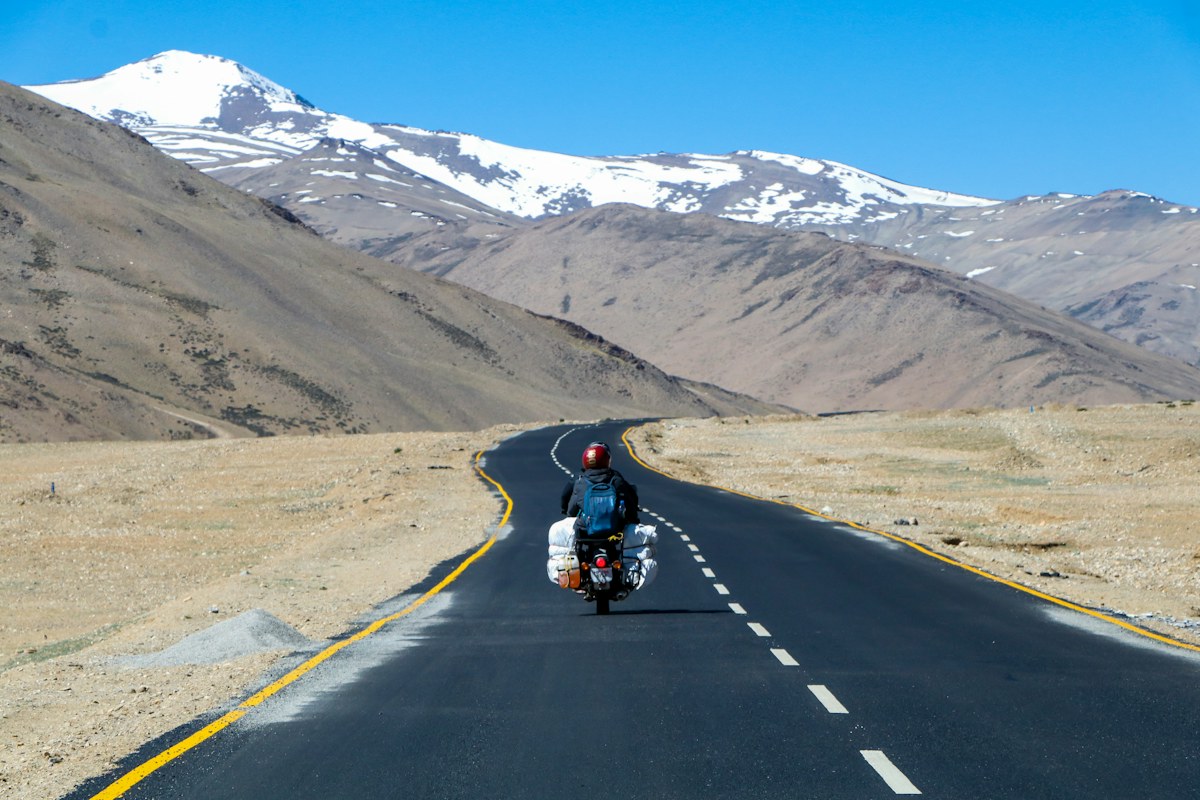
High altitude (over 3,500 m) - acclimatise to avoid altitude sickness. Remote region; arrange transport and accommodation in Leh in advance, carry sun protection and warm layers, and respect monastic customs.
Facilities
Monastery CourtyardSeating AreasCraft & Food StallsBasic FacilitiesParking (limited)
Amenities
Family FriendlyPublic Transport Access
Nearby Attractions
Hemis Monastery & MuseumThiksey MonasteryLeh PalaceShey & Stok PalacesIndus Valley landscapes
Nearby Restaurants
Monastery & village stallsLadakhi cuisine in LehLocal cafés
13

Ecosystem

Atlas Team
Cultural Influence
The leading public expression of Ladakhi-Tibetan Buddhist culture
Comparable Festivals
Other Ladakhi monastic festivals (ThikseyPhyang)Tawang Festival (Arunachal)LosarParo Tsechu (Bhutanreference)
Related Festivals
Thiksey & Phyang monastic festivalsLadakh FestivalLosar
Partner Institutions
Hemis Monastery (Drukpa lineage)Ladakh tourism authoritiesHimalayan and Tibetan Buddhist cultural networks
Type Festival
Atlas Verified Yes
Last Updated 2026-09-20
Connected Discoveries

Connected Discoveries

Continue your journey through India's cultural landscape.