About
Rahul Deshpande, born 10 October 1979 in Pune, is a leading Hindustani classical and natya-sangeet vocalist and actor, and the grandson of the legendary Pandit Vasantrao Deshpande. Drawn early to the music of Kumar Gandharva, he trained under gurus including Gangadharbuva Pimpalkhare, Ushatai Chipalkatti and Pandit Mukul Shivputra. His repertoire ranges across khayal, tap-khayal, dhrupad, thumri, tappa, natya-sangeet, abhang and bhavgeet.
Deshpande has led a revival of Marathi musical theatre, re-staging classics such as Katyar Kaljat Ghusali and Sangeet Manapmaan. In 2022 he conceived, produced, acted in and sang the biopic Me Vasantrao about his grandfather, winning the National Film Award for Best Male Playback Singer along with Filmfare Marathi and Maharashtra State honours. Each year he organises the Vasantotsav festival in his grandfather's memory.
The artistry
Deshpande sings with a powerful, dramatic voice suited to both the introspection of khayal and the theatricality of natya-sangeet, the Marathi musical theatre tradition. Grandson of the legend Vasantrao Deshpande, he combines classical training with a stage performer's flair, reviving old natya-sangeet compositions and creating new productions. His singing bridges the discipline of Hindustani classical music and the emotional immediacy of the theatre, bringing a historic Marathi form to contemporary audiences.
Repertoire
Performance
Publications & productions
Career & milestones
Festivals & appearances
Lineage & training
Recognition
Affiliations
Gallery
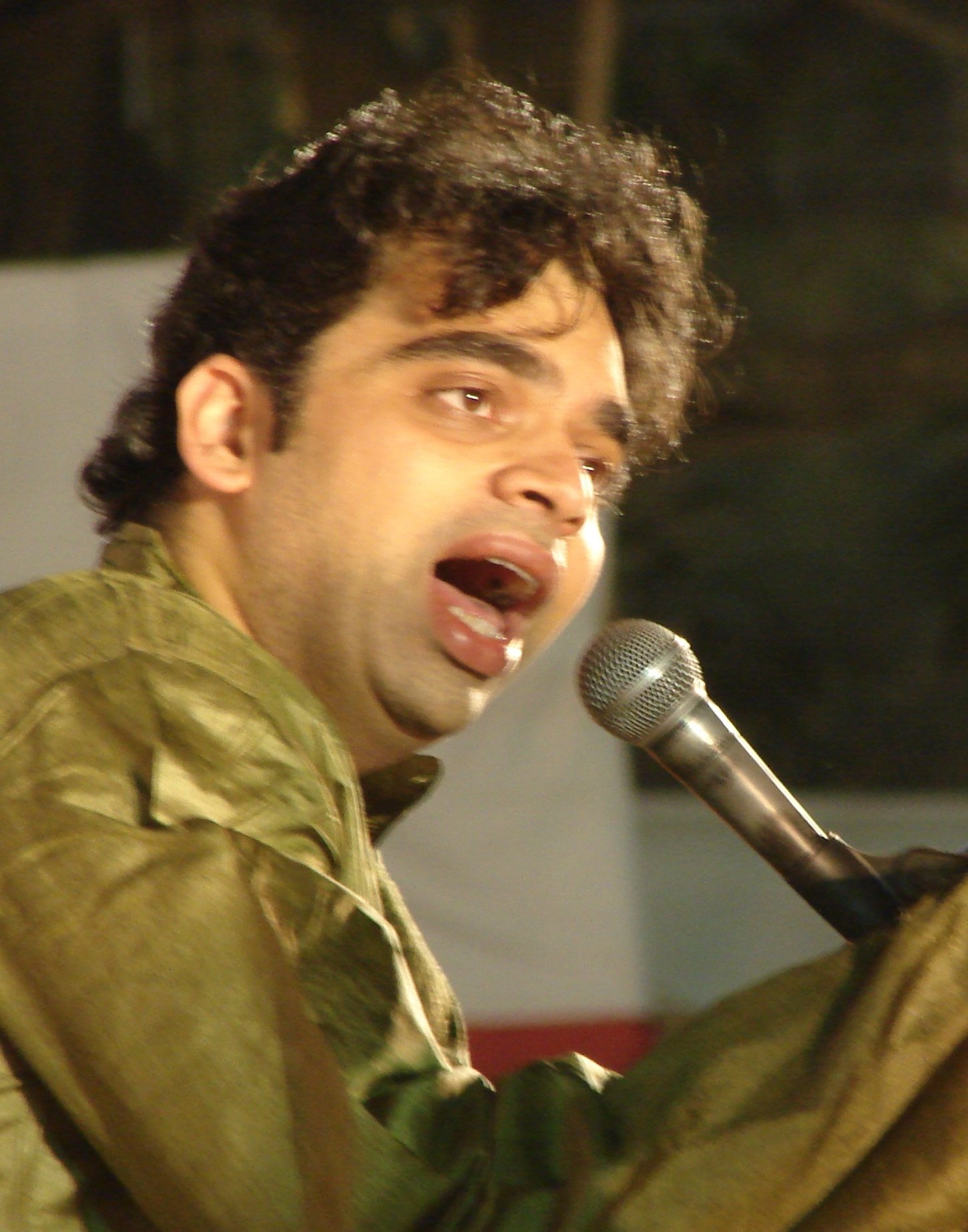


Deshpande offers a host a rare combination: a rigorous khayal recital, a natya-sangeet or Marathi musical-theatre evening, and cinema-honoured appeal. His revival work makes him a strong partner for heritage and theatre programming. [Atlas Assessment]
Rahul Deshpande is a driving force in the revival of natya-sangeet and Marathi musical theatre, bridging the classical concert stage and the theatrical tradition of his grandfather Vasantrao Deshpande. Through acclaimed productions and recordings, including his work reviving and dramatising this heritage, he has brought a historic Marathi form to new and younger audiences. His efforts have helped keep natya-sangeet a living, popular part of Maharashtra's cultural life.