About
Kailash Kher, born on 7 July 1973 in Meerut, is one of India's most popular singers and composers, whose music fuses Indian folk and Sufi traditions with contemporary sound. Rising from early struggle to national fame in the mid-2000s, he became known for a distinctive, soulful voice suited to devotional and mystical song, and formed the band Kailasa with the Kher brothers. A Padma Shri awardee with a string of hit film and independent songs, he has taken a Sufi-folk sensibility into the mainstream of Indian popular music.
Kher rose to fame with Allah Ke Bande and formed his band Kailasa in 2004 with the Kamath brothers, whose album track Teri Deewani became a defining Sufi-fusion anthem. He has recorded songs in more than twenty languages, sung for films from Baahubali to Bollywood, and given over a thousand concerts worldwide. He runs the Kailasa Foundation for underprivileged children and continues to release devotional and Sufi work.
The artistry
Kher sings with a raw, high-pitched, soulful voice ideally suited to Sufi and folk mysticism, backed by his band Kailasa's fusion of traditional instruments and contemporary arrangement. He draws on the ecstatic phrasing of Sufi and folk singing, favouring emotional intensity and spiritual longing over polish, and writes melodies that carry devotional feeling into pop and film contexts. His unmistakable timbre and heartfelt delivery have made his voice one of the most recognisable in Indian popular music.
Repertoire
Performance
Publications & productions
Career & milestones
Festivals & appearances
Lineage & training
Recognition
Affiliations
Gallery




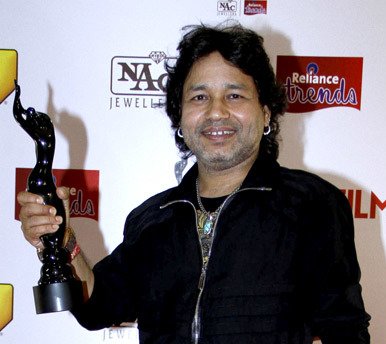





Kailash Kher connects on the Culture Atlas graph to the Sufi Music artform profile (the primary tradition his vocal style draws from), to the Manganiyar & Langa artform (Rajasthani folk influence), and to Mumbai as his primary professional base. His work represents one of the most commercially successful uses of devotional music aesthetics in Indian popular culture.
Kailash Kher represents the transmission of Sufi and folk devotional aesthetics into mainstream Indian popular music. His success demonstrated that a voice rooted in genuine devotional tradition could find a mass commercial audience without abandoning the essential character of that tradition.