Origin & evolution
Sopana Sangeetham takes its name from the sopanam, the steps leading to the garbhagriha (sanctum), where it is performed as a ritual musical offering called kottippaadiseva. It developed as a Kerala temple style based on the singing of the Ashtapadis of Jayadeva's 12th-century Gita Govinda, on the love of Radha and Krishna, patterned as the soul's journey from the temple entrance to the inner sanctum. Two regional styles, Thekkan (south) and Vadakkan (north), developed; the southern virtually vanished and the northern absorbed Carnatic influence.
Why Sopana Sangeetham
Unlike the virtuosic display of Carnatic music, Sopana Sangeetham prizes devotional directness: uncomplicated, deeply felt melody meant to convey bhakti rather than technical brilliance, which is why it is also called bhakti sangeetham or bhava sangeetham. Its slow-to-fast rhythmic progression mirrors the devotee's ascent up the temple steps toward union with the deity.
The tradition & its craft
The singer accompanies himself on the idakka, an hourglass drum played with a stick and capable of melodic inflection, with the chengila gong marking time. Specific ragas are sung at specific hours for specific poojas, and a special idakka figure (kooru) signals the start and close of each composition. The Ashtapadis of the Gita Govinda form the core repertoire.
Types & forms
Masters across the generations
Signature works
In cinema & popular culture
Sopana Sangeetham has fed Kerala's wider performing arts and film music, and its haunting idakka-led sound appears in Malayalam cinema and in cultural documentaries, most memorably in temple-set scenes, keeping a temple art in public memory.
Contemporary presence
Traditionally taught orally by singers to boys of the next generation rather than in schools, Sopana Sangeetham has few takers today and is considered endangered, surviving chiefly through daily temple ritual in larger shrines and the efforts of dedicated lineages.
Across the regions
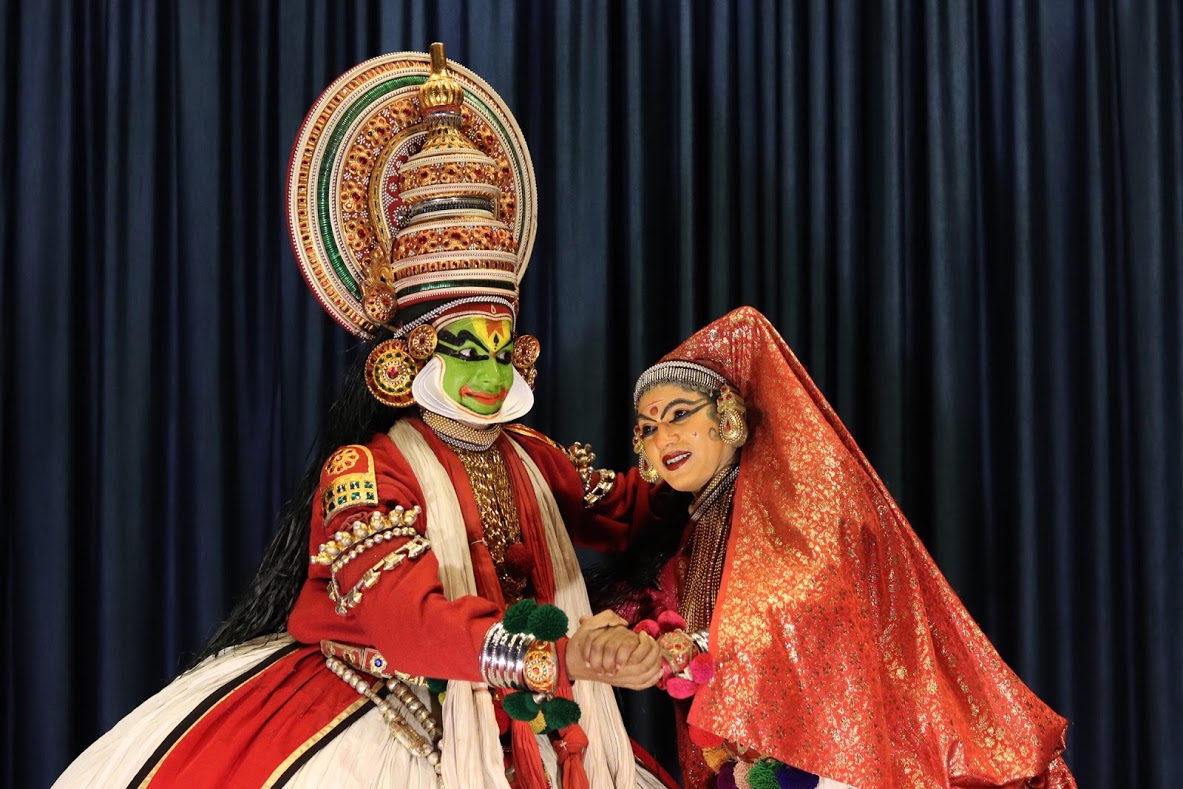
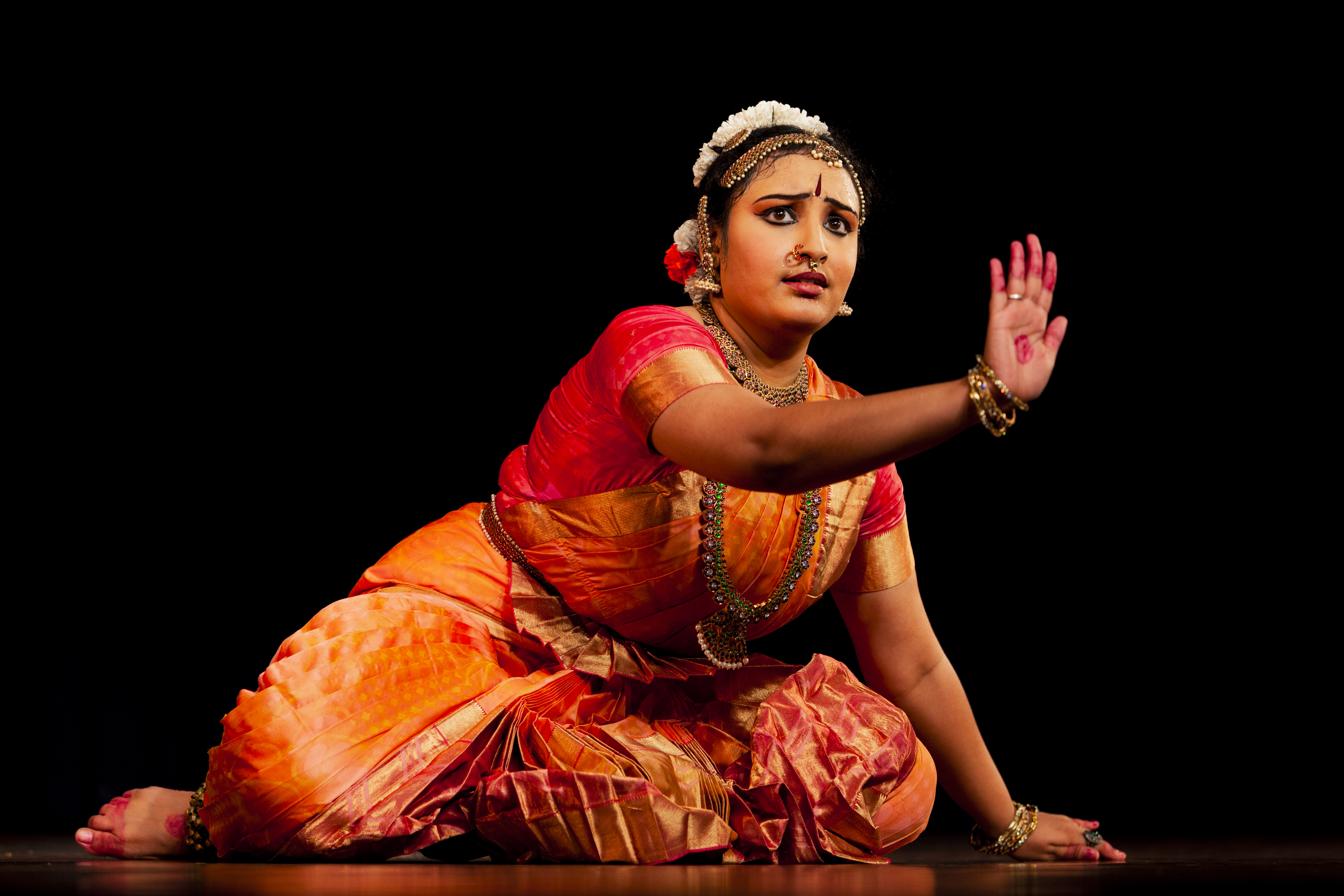
The tradition lives in Kerala's temples, sustained by the hereditary Marar and Pothuval communities entrusted with temple ritual, with major shrines such as Guruvayur among its strongholds. It is the parent music of Kathakali and Krishnanattam and the traditional accompaniment of Mohiniyattam.
Further reading
The Atlas perspective
[Atlas Assessment] Sopana Sangeetham is a high-integrity but endangered node with strong graph links to Kerala temples (Guruvayur), to the idakka, and to Kathakali/Mohiniyattam as its derivative forms. The Atlas merges the source entries "Sopana Sangeetham" and "Sopanam Sangeetham" into this single canonical form and flags its endangered transmission as an active preservation concern.