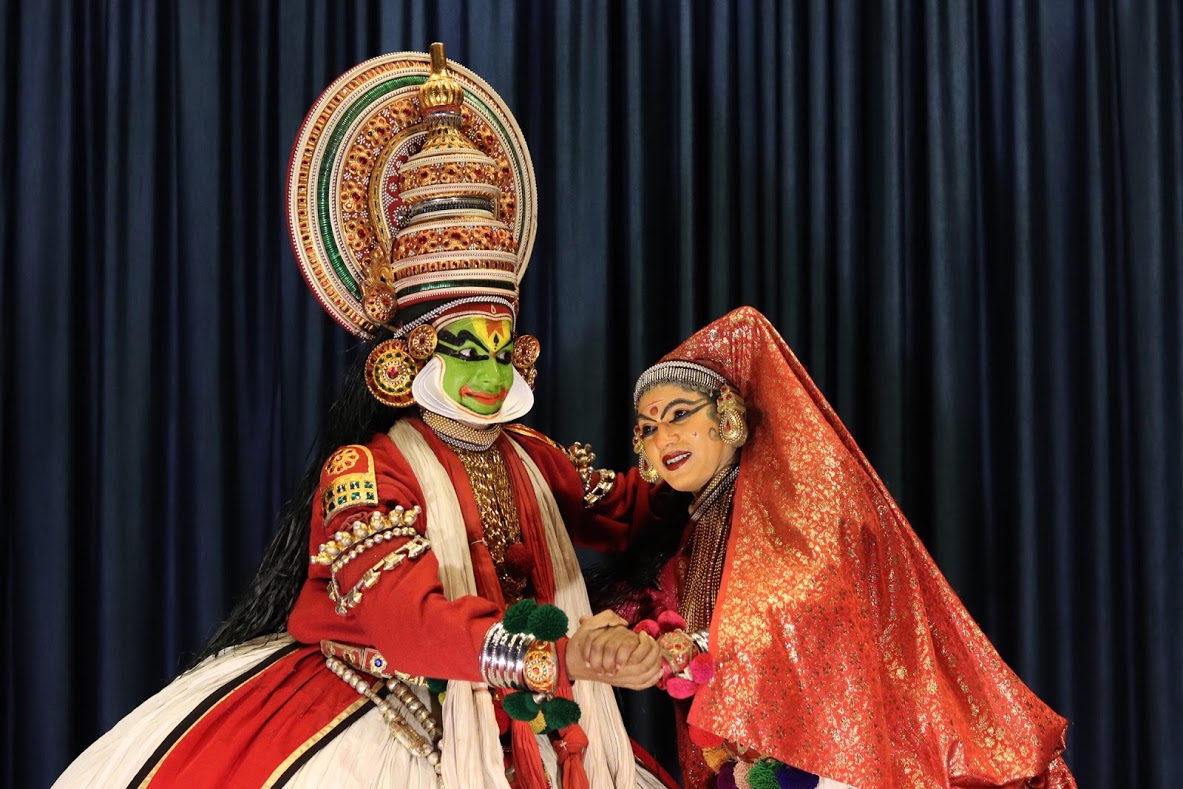
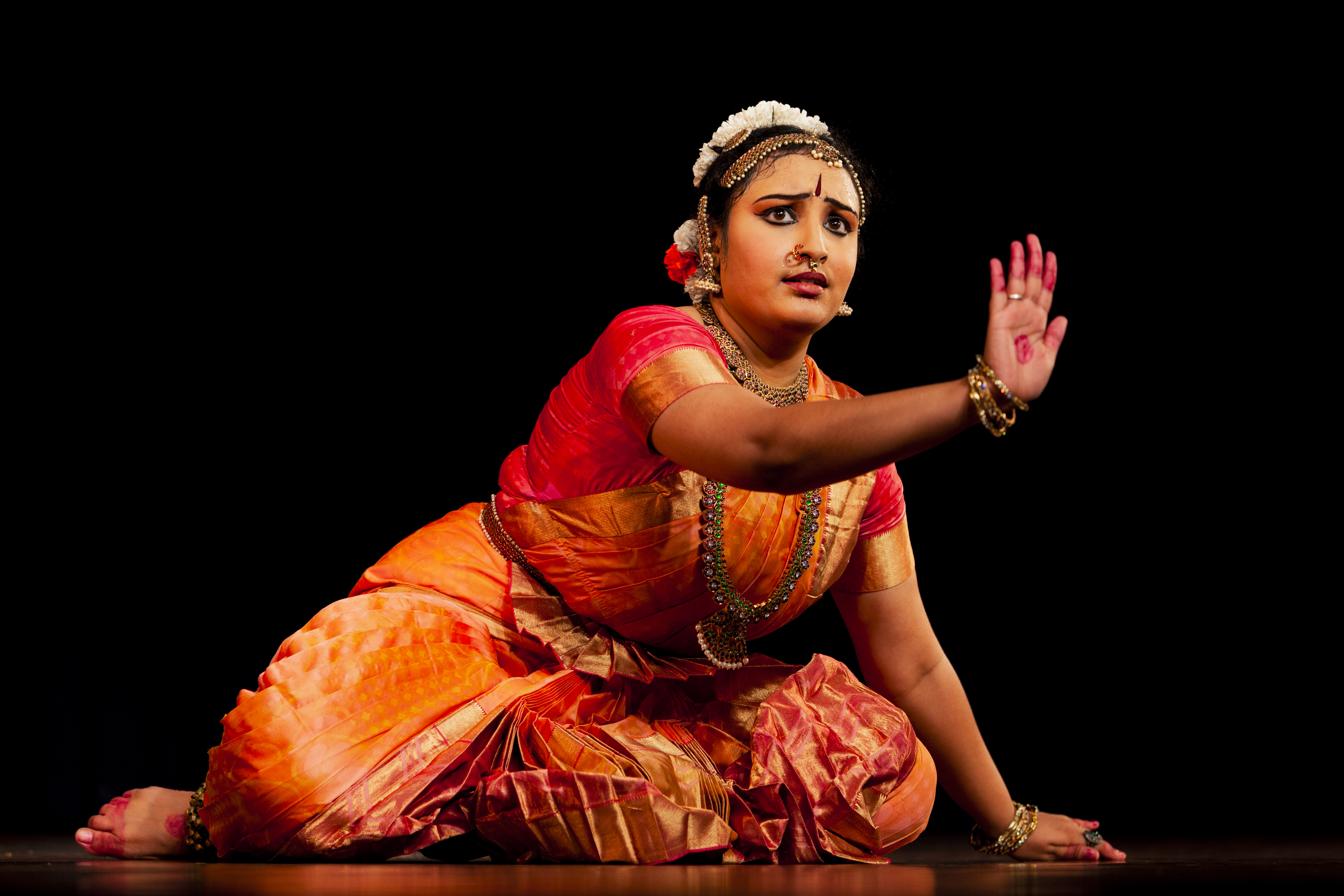
Origin & evolution
Kuravanji developed as a literary and performance genre in the Tamil-speaking courts of South India during the 17th century, with significant development under the Thanjavur Maratha rulers (18th-19th centuries) who were major patrons of Tamil and Telugu literature and of Bharatanatyam performance.
The form's name derives from Kuravar, the Tamil name for a nomadic tribe (sometimes identified with the Narikuravar or Kuruvar communities) associated with fortune-telling and marginal social status. The presence of the Kurava woman as a central character in each Kuravanji work represents an unusual inclusion of a socially marginal figure as a narrative pivot in a courtly literary form.
Several Kuravanji texts from the Thanjavur period are considered significant examples of Tamil literature, including the Thiruvarangak Kuravanji (addressing the deity Ranganatha at Srirangam) and Suchindrak Kuravanji. Each text follows the same basic dramatic structure but with different heroines, different divine or royal objects of longing, and different geographic settings.
Why Kuravanji
A Kuravanji consists of two acts. The first presents the heroine's love for a deity or king: she sees him in a vision or dream, is struck by his beauty, and suffers the separation of unrequited longing. This act is structured as a series of songs in Carnatic music styles, with dance interludes in the Bharatanatyam tradition, presenting the classical themes of Shringara Rasa (the aesthetic of love) through which Tamil devotional poetry has always addressed the relationship between devotee and deity.
The second act introduces the Kurava woman, who arrives with her parrot (a traditional fortune-telling prop) and reads the heroine's palm or interprets omens to predict that union with the beloved will be achieved. The Kurava woman's scenes allow for comic relief, direct audience address and the introduction of the contemporary world into the mythological frame. Her language is more colloquial than the formal Tamil of the first act, and her scenes are often played with greater theatricality.
The tradition & its craft
Kuravanji was transmitted within the Bharatanatyam training system, as the form uses Bharatanatyam technique, Carnatic music and the theatrical conventions of the Tamil Devadasi tradition. The decline of the Devadasi performance tradition in the early 20th century disrupted the transmission of Kuravanji alongside other Tamil dance-drama forms.
In the contemporary period, Kuravanji is taught as part of advanced Bharatanatyam training at the Kalakshetra Foundation in Chennai (founded by Rukmini Devi Arundale) and at other Bharatanatyam institutions in Tamil Nadu. The Kalakshetra production of the Thiruvarangak Kuravanji, periodically staged, is the most significant contemporary performance of the form.
Types & forms
Masters across the generations
Signature works
In cinema & popular culture
Kuravanji has not been represented in mainstream Indian cinema. It is primarily known through classical dance institutions and academic study.
Contemporary presence
Kuravanji's contemporary practice is limited to a small number of institutions, primarily Kalakshetra, that include it in their advanced curricula. The Kalakshetra periodic stagings of Kuravanji texts are the most significant performance events for the form. Academic interest in Kuravanji as a literary genre has been sustained by Tamil literary scholars. The form's decline reflects the broader challenges facing Tamil dance-drama forms outside the Bharatanatyam mainstream.
Across the regions
Kuravanji is concentrated in Tamil Nadu, with the Thanjavur and Chennai regions as the primary centres. The form has been presented at major classical dance festivals in India and internationally through the Kalakshetra Foundation's touring programme.
Where it lives
Recognition & status
Further reading
The Atlas perspective
Kuravanji connects on the Culture Atlas graph to the Bharatanatyam artform (same performance tradition and technique), to the Carnatic Music artform (shared musical tradition) and to the Chennai destination profile. The form's score of 7.8 reflects its genuine literary and theatrical significance alongside its limited contemporary practice.