Origin & evolution
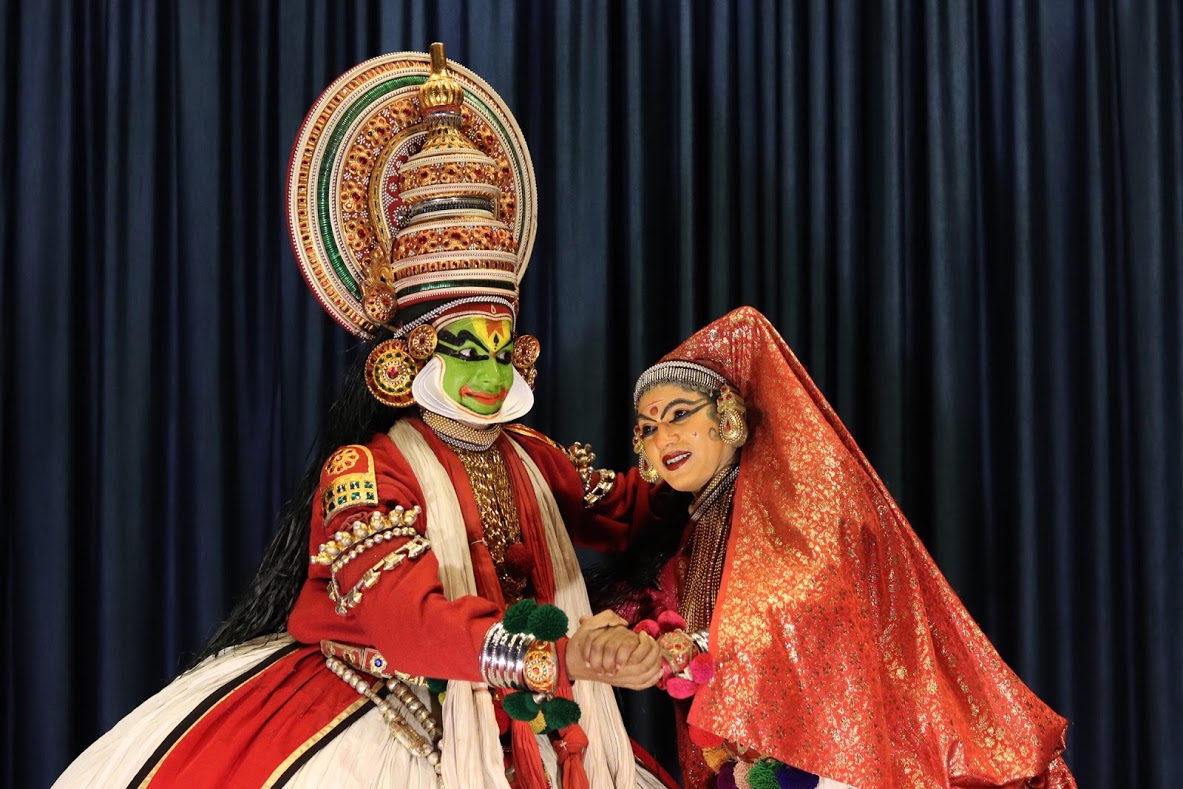
Kuchipudi takes its name from the Andhra village where, in the 17th century, the saint-poet Siddhendra Yogi shaped it into a Bhakti dance-drama - the Bhama Kalapam - performed by Brahmin men of the village as an offering. In the 20th century it was adapted into a solo concert form and opened to women.
Why Kuchipudi
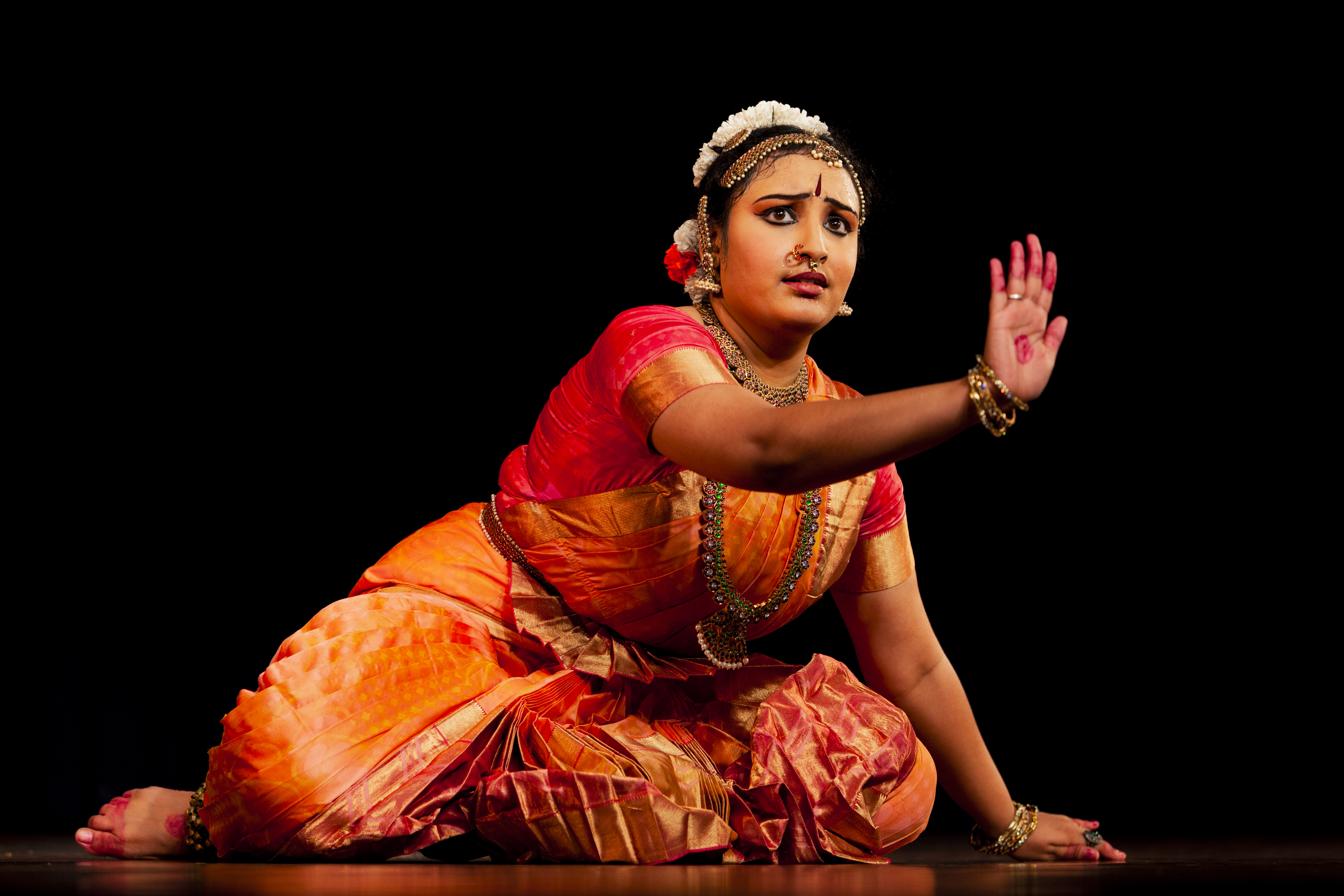
Kuchipudi blends pure dance, expression and drama with a distinctive rounded, fluid grace and quicksilver footwork. Uniquely, the dancer also speaks and sings; and its signature is the tarangam - dancing on the rim of a brass plate, sometimes balancing a pot of water on the head.
The tradition & its craft
Traditionally a dance-drama (Bhama Kalapam, Golla Kalapam), now also a solo margam; danced to Carnatic music with mridangam, violin and nattuvangam, marked by crisp footwork and lively abhinaya.
Types & forms
Masters across the generations
Signature works
In cinema & popular culture
Featured across South Indian cinema; classically trained stars brought it to the screen.
Contemporary presence
Kuchipudi has experienced significant growth in the diaspora, particularly in the United States, where it is among the most widely taught Indian classical dance forms. Vempati Chinna Satyam's teaching through the Kuchipudi Art Academy shaped the modern concert form. Contemporary practitioners including Raja and Radha Reddy and their students have toured extensively internationally. The form shares many features with Bharatanatyam and practitioners sometimes train in both.
Across the regions
Andhra and Telangana; across India and the diaspora.
Where it lives
Recognition & status
The Atlas perspective
[Atlas] Kuchipudi is theatre that became dance and dance that kept theatre - alone among the classical forms, the dancer also speaks.