About
To establish, promote and support education systems and cultural institutions that foster global oneness through creative art forms, with particular focus on Sufi music and poetry, interfaith understanding, education and self-reliance, and traditional Indian handicrafts and handlooms.
The Rumi Foundation was established by the filmmaker, designer and artist Muzaffar Ali to promote Sufi thought, music and the arts. [Atlas Assessment] It is best known for producing Jahan-e-Khusrau, the annual world Sufi music festival held in Delhi in the tradition of Amir Khusrau, which has become one of India's foremost platforms for Sufi and devotional music.
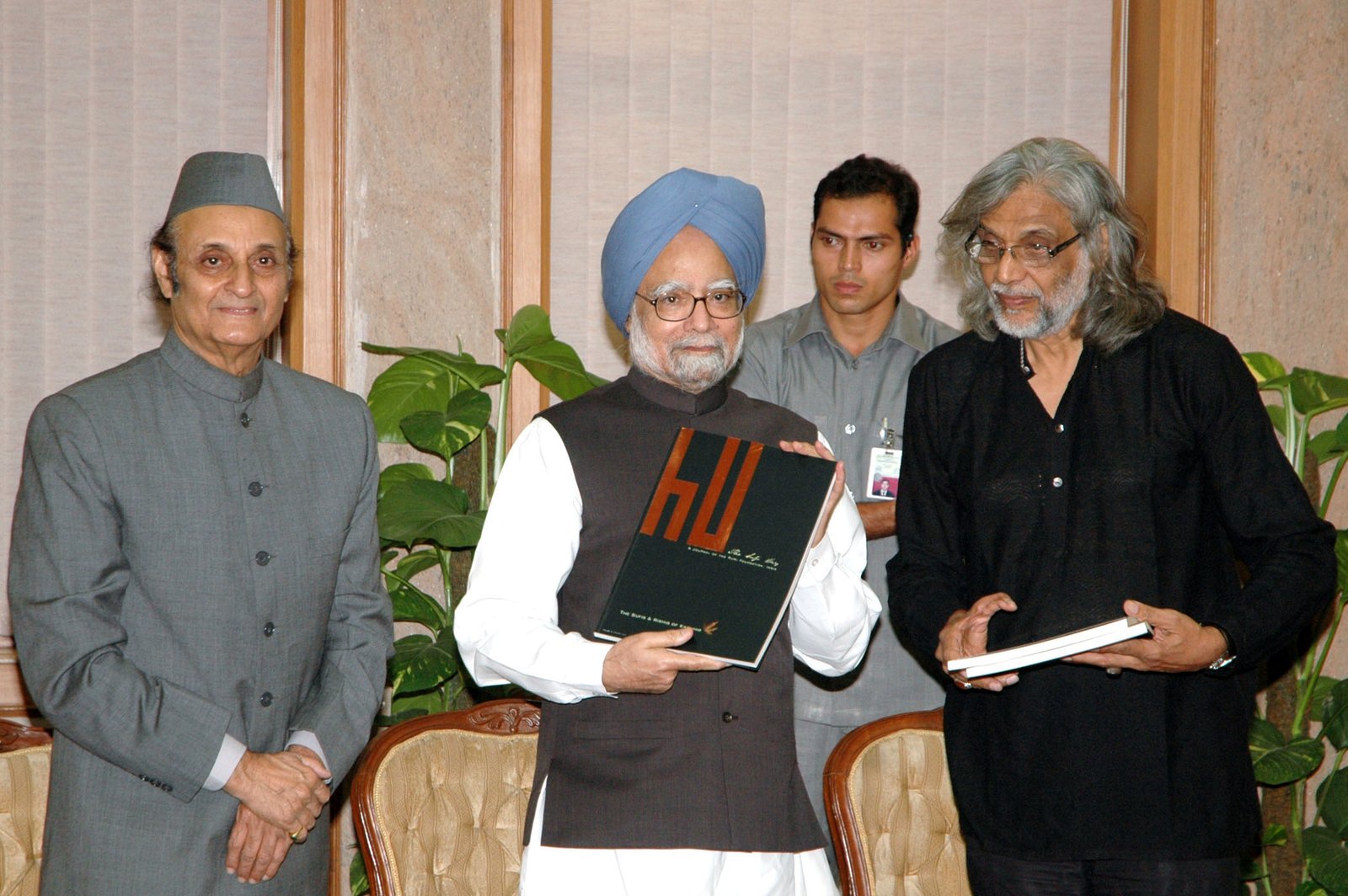
The Rumi Foundation was instituted in 2004 by filmmaker, painter and cultural revivalist Muzaffar Ali, Raja of Kotwara, together with founding Chairman Dr Karan Singh, statesman and philosopher. Registered as a charitable society under the Societies Registration Act, 1860, the Foundation grew directly out of Ali's earlier work: a 2000 Indo-Iranian concert titled Tajjalli, featuring artists from Iran, Kashmir and Awadh, which evolved into his documentary Rumi in the Land of Khusrau and crystallised in 2001 as Jahan-e-Khusrau, the Foundation's flagship annual World Sufi Music Festival, staged in the ruins of Arab-ki-Sarai at the Humayun's Tomb monument complex in Delhi, becoming the first global Sufi music festival held in a historical ruin in India. Its inaugural edition featured Abida Parveen and Lotfi Bouchnak; the 25th edition, marked in 2025, was inaugurated by Prime Minister Narendra Modi. The Foundation's Lucknow Chapter, instituted in 2013, produces the Wajid Ali Shah Festival of Conserving Cultures, celebrating Awadhi heritage through dance, music and poetry. Beyond festivals, the Foundation publishes HU: The Sufi Way, a journal exploring Sufi mystical traditions, and runs Employment at Your Doorstep, a partnership with a charitable school in Kotwara providing employment-oriented education to underprivileged children.
Founding & Leadership
Muzaffar Ali (born 1944/1946, sources vary), the present Raja of Kotwara, is an Indian filmmaker, painter, poet and fashion designer best known for directing the 1981 film Umrao Jaan. A graduate of Aligarh Muslim University, he worked at Air India before turning fully to film and art in 1981. He co-founded the fashion house House of Kotwara with his wife, architect Meera Ali, in 1990, and has served as Chairman of the International Jury of the 48th International Film Festival of India (Goa, 2017). He remains Executive Director and Secretary of the Rumi Foundation.
Initiatives & Portfolio
Annual World Sufi Music Festival, Humayun's Tomb, Delhi; 25th edition 2025.
Lucknow Chapter's flagship event, celebrating Awadhi heritage.
Journal exploring Sufi mystical traditions.
With a charitable school in Kotwara, employment-oriented education.
Cultural Funding
Cultural verticals
In the Press
Gallery
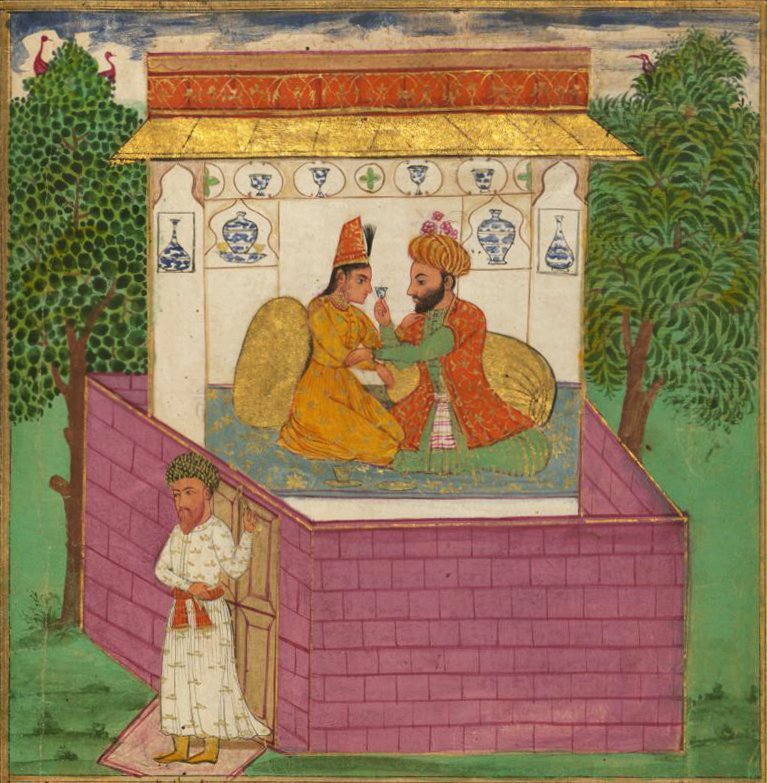
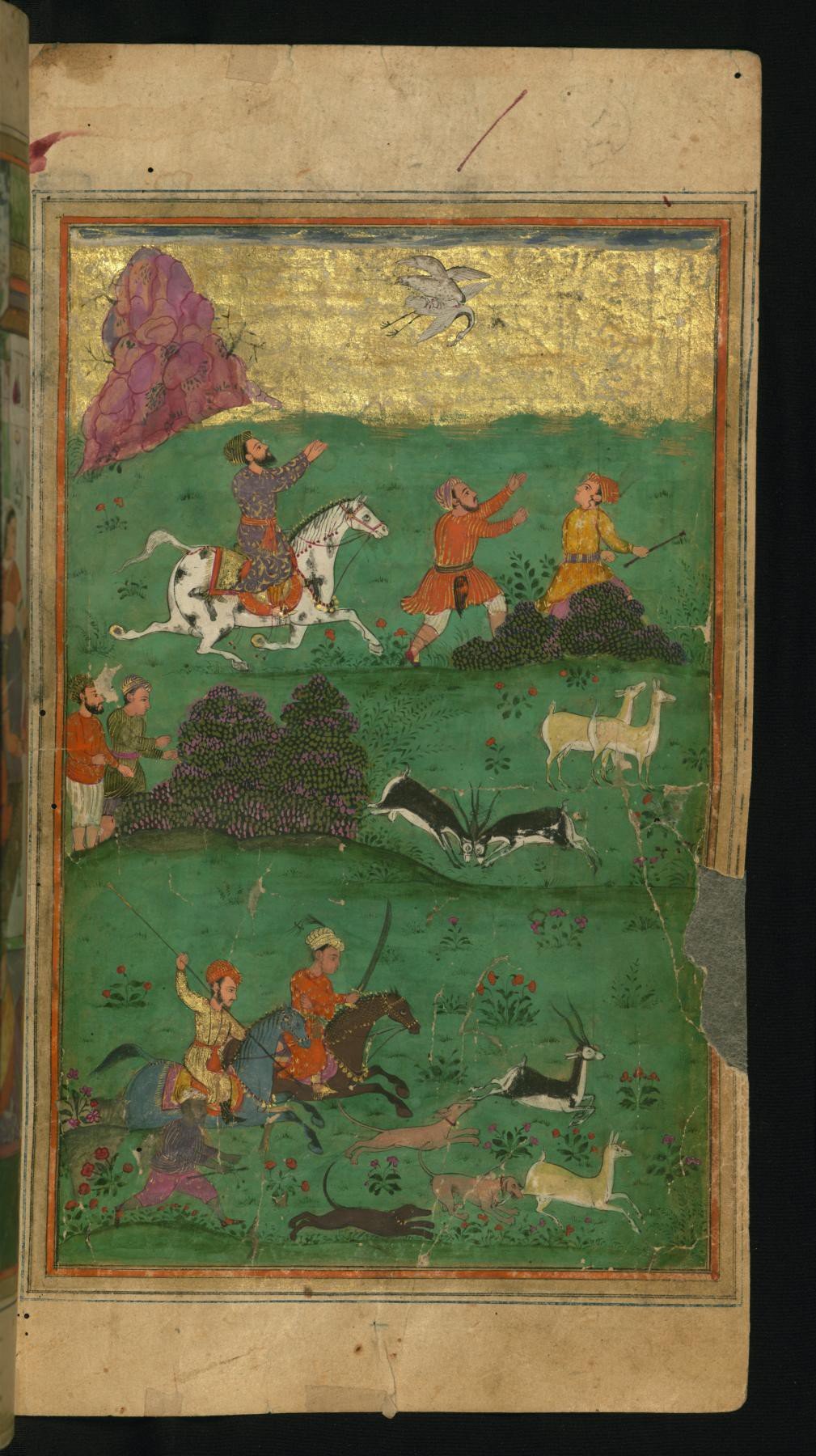



The Rumi Foundation's significance rests on its distinctive positioning of Sufi music and poetry explicitly as a vehicle for interfaith understanding and 'Ganga-Jamuni' composite culture, rather than treating Sufism purely as a performing art genre. Its flagship festival's setting inside a Mughal-era ruin at Humayun's Tomb, rather than a conventional auditorium, has been described by the Foundation as an active dissolution of boundaries between past and present, and Jahan-e-Khusrau has functioned as a genuine career launchpad for a generation of now-prominent Sufi musicians. The Foundation's founder-led governance model, led personally by Muzaffar Ali since 2004 as Executive Director and Secretary, and its structural link to his broader body of work in film, fashion (House of Kotwara) and craft revival in Awadh, situates it as an extension of one artist's sustained cultural vision rather than an institutionally independent grant-making body.