About
To preserve, document and exhibit India's cultural heritage for the education and enrichment of present and future generations.
India's national museum on Janpath, New Delhi. 200,000+ objects spanning 5,000 years. Ministry of Culture. The most significant public repository of Indian historical and cultural artefacts in the world.
The National Museum traces its origins to an exhibition of Indian art held at the Royal Academy, London in 1947-48, assembled to display India's cultural wealth to an international audience on the eve of independence. On its return, the collection was displayed temporarily at Rashtrapati Bhavan before the Government of India established the National Museum by resolution in 1949. Its purpose-built building on Janpath was inaugurated in 1960.
The collection now encompasses over 200,000 objects across the pre-historic, Harappan, Mauryan, Gupta, medieval, Mughal, colonial and contemporary periods. Among its most celebrated holdings are the Harappan antiquities including the Dancing Girl (a 4,500-year-old bronze figurine from Mohenjo-daro), the Chola bronze collection, the Mughal miniature collection, the Gandhara Buddhist sculpture collection and a Manuscript Library of over 14,000 texts in Sanskrit, Arabic, Persian and vernacular languages.
A major redevelopment and possible relocation of the museum to a new building at India Gate has been under discussion. Users planning visits or institutional engagements should verify the current status of any proposed changes directly with the Ministry of Culture.
Founding & Leadership
Initiatives & Portfolio
Permanent galleries covering pre-history, Harappan civilisation, Mauryan and Gupta periods, Buddhist art, medieval art, Mughal painting, decorative arts, manuscripts, coins and contemporary craft.
Over 14,000 manuscripts in Sanskrit, Arabic, Persian and vernacular languages.
A deemed university established 1989 offering postgraduate courses in history of art, conservation and museology. The only institution of its kind affiliated with a national museum in India.



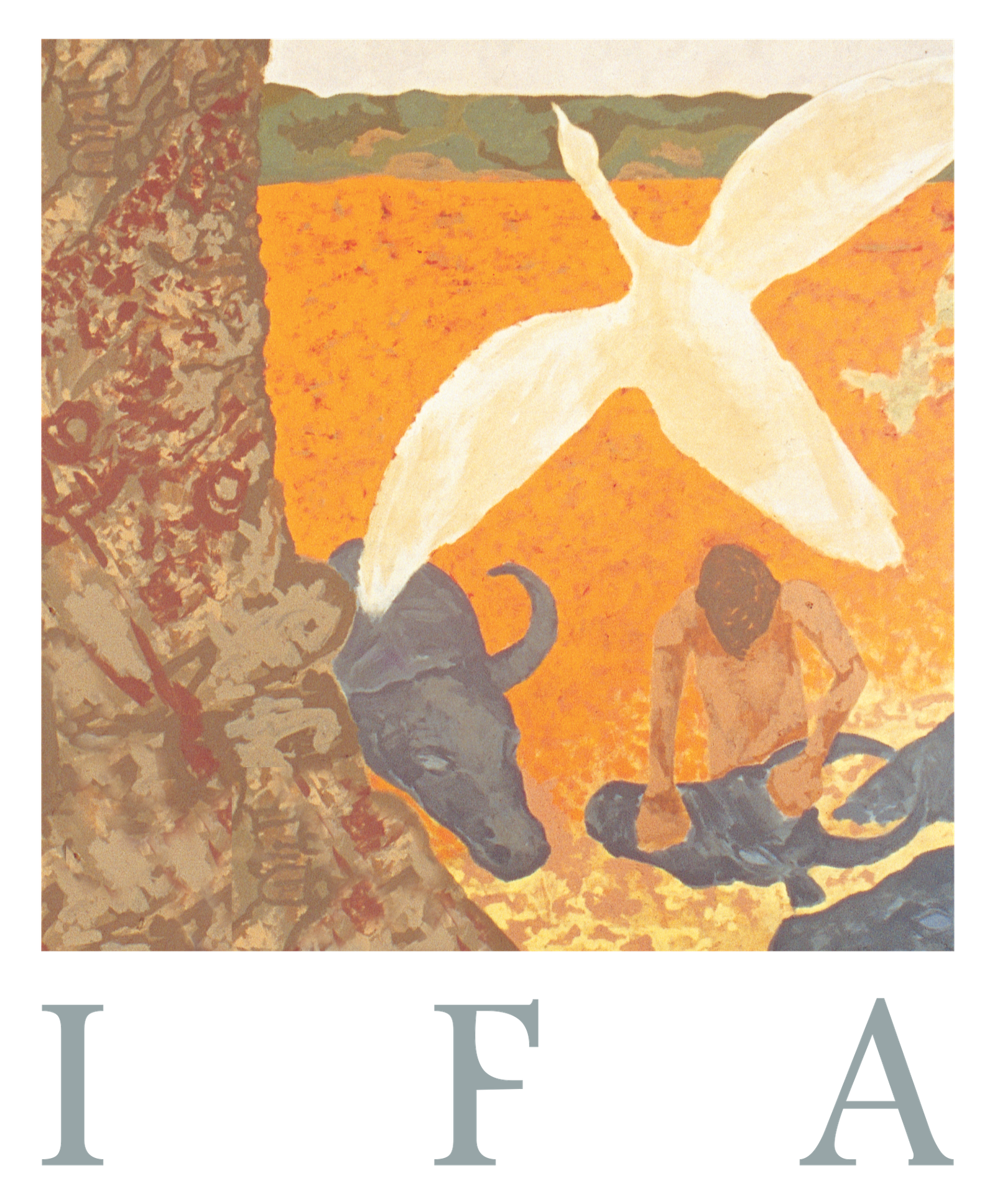
The National Museum is the primary public repository of India's tangible cultural heritage. Its collection spans the full range of Indian civilisational history from the Harappan period to the modern era. The Dancing Girl, the Nataraja bronzes, the Mughal miniatures and the Gandhara Buddhist sculptures are among the most important cultural objects in Indian history.
[Atlas Perspective] The National Museum's significance as India's foremost cultural heritage institution is beyond question. Its collection is irreplaceable and its public access role fundamental. The institution faces the challenges common to major national museums: resource constraints relative to collection scale, the tension between conservation and public access, and connecting a historical collection to contemporary audiences.
The proposed relocation to India Gate is noted. Culture Atlas documents this institution at its current Janpath location as of August 2026; verify current status directly with the Ministry of Culture before planning visits or institutional engagement.