The Story
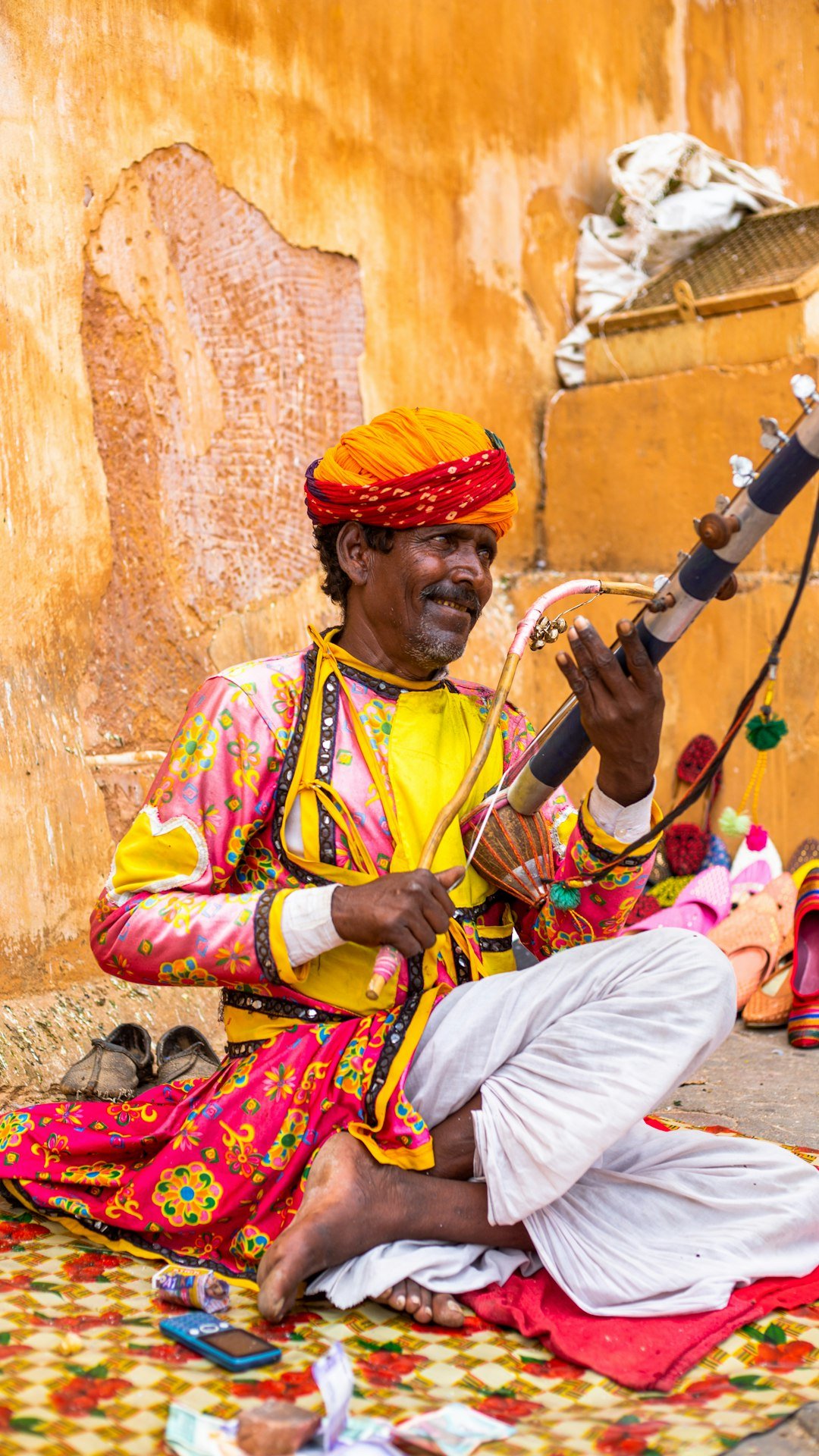
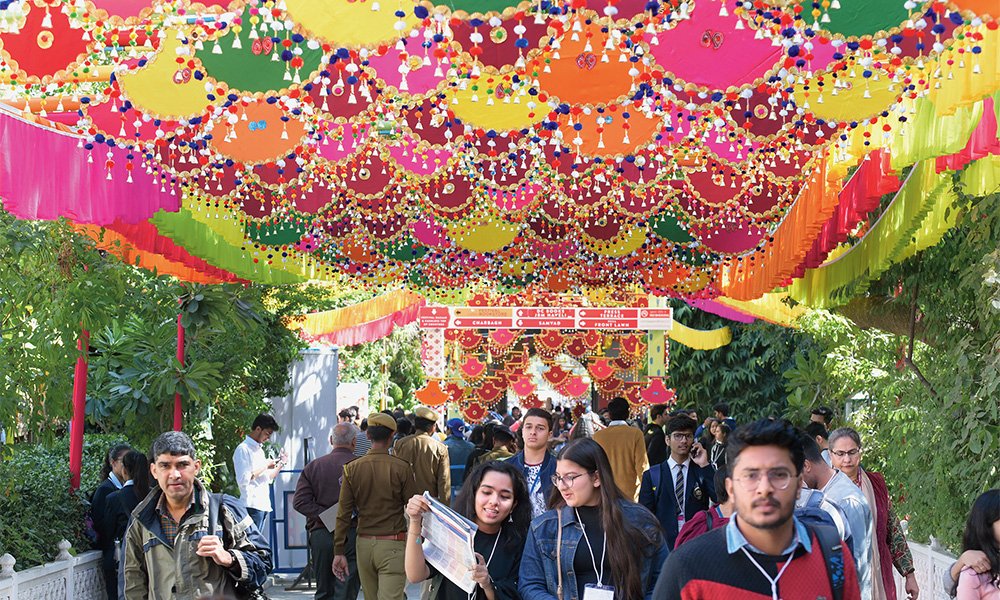
OrganizerVirasat was born in 1995 in Dehradun, when REACH (Rural Entrepreneurship for Art & Cultural Heritage) was established with the mission of countering the homogenising sweep of modernity across India's urban landscapes by reviving and sustaining the country's traditional arts. The Virasat Festival was REACH's founding initiative, and over three decades it has grown into one of Asia's largest folk-life and heritage festivals, while REACH itself has expanded into wider projects for the preservation of India's arts, culture and heritage. Held annually over roughly fifteen days in October, Virasat is a broad, educative celebration of Indian heritage. It brings classical music and dance maestros and master craftspeople together with folk performers, and spans performances and workshops in folk and classical arts, literature, theatre, cinema and yoga, alongside a crafts bazaar, regional cuisine and cultural exhibitions. Over the years it has hosted leading artists, among them Pt. Shivkumar Sharma, Pt. Birju Maharaj, Pt. Vishwa Mohan Bhatt and many others, on its stages. While it welcomes a degree of experimentation, its focus remains firmly on India's folk and classical traditions and, especially, the folk culture of Uttarakhand and the Himalayas. Virasat's defining purpose is revival and transmission. Its format is built to foster interaction between students, artists and craftspeople, so that young people and visitors can learn about their roots while enjoying the arts, and to spread awareness of India's native wisdom, ecological approaches and knowledge systems. The festival has been credited with revitalising several rural art forms that were on the brink of extinction for lack of audiences. In 2008 the festival even expanded into a nationwide event with programmes in Delhi and hundreds of other localities. As a non-profit, mission-driven festival sustained for three decades, Virasat stands as a leading example of culture as conservation, and as the anchor of Uttarakhand's cultural calendar.
Virasat's cultural significance lies in its sustained, three-decade mission of heritage revival, using a major festival as an instrument to preserve and transmit India's endangered folk and classical traditions. As one of Asia's largest folk-life and heritage festivals, it has provided a vital platform, audience and livelihood for folk performers and master craftspeople, and has been credited with reviving rural art forms at risk of disappearing. Its educative, intergenerational format (designed to connect young people with their cultural roots and to foster interaction between students, artists and artisans) gives it a distinctive role as a vehicle for cultural transmission rather than mere entertainment. With its particular focus on the folk culture of Uttarakhand and the Himalayas, it is also the principal cultural festival of the state and a significant custodian of Himalayan heritage. Run by a non-profit with a clear preservation mission, it is a model of culture as conservation.
Virasat matters as a leading example of festival-as-preservation - a non-profit, mission-driven event that actively revives India's endangered folk and classical traditions and sustains the livelihoods of the artists and artisans who carry them. Its educative format reconnects younger generations with their cultural roots, and its focus on Himalayan and Uttarakhand folk culture safeguards a distinctive regional heritage. In an era of cultural homogenisation, its three-decade commitment to living traditions is especially significant.
Virasat has revived and sustained endangered Indian folk and classical art forms; provided platforms, audiences and livelihoods for folk performers and master craftspeople; fostered intergenerational cultural transmission through an educative format; and championed the folk heritage of Uttarakhand and the Himalayas over three decades.